The Darro runs shallow in September, and at dusk the sound climbing the hill is the one Granada has always made: cutlery in the squares below, a guitar being tuned somewhere above Calle Elvira, swifts turning over the red walls of the fortress. What is different this autumn is quieter than the headlines suggested. Doors reopened weeks apart rather than all at once, one fortress terrace is still roped off, and a few barriers in the Albaicín will send you around a block. The city is working, on a slightly re-cut set of routes, and it helps to know which ones before you arrive.
What the August tremors changed
The pattern of the August series was the one this valley has always produced. The Vega de Granada, the flat farmland south of the city, sits on soft sediment that amplifies shaking, and it was the towns out there that saw evacuations. The historic centre, built up the harder ground of the two hills, came through with what inspectors kept describing as fragments: plasterwork, cornice pieces, roof tiles. Nothing in the visitor core was found to be structurally unsound.
No single all-clear followed. The monument authority and the diocese closed buildings as a precaution, sent engineers through them, and reopened in waves from 19 and 20 August into the second week of September. The city cleared streets on the same logic, a dozen at a time. Elvira and Navas were among the first restored to normal use, which is why the tapas run through the centre feels untouched. The Compás de San Jerónimo, the little square outside the monastery of the same name, was cleared early too.
The visible exception is Plaza de San Miguel Bajo, high in the Albaicín, cordoned after tiles and cornice pieces came down from the church tower. Walk the upper quarter and you may still meet barriers there and have to double back. Treat published opening hours as reliable, but assume any single interior can shut for a morning of checks, and keep an open-air alternative in your pocket for that day.
The Alhambra keeps its hours and loses a route
The Alhambra & Generalife (Alhambra hill, above the Cuesta de Gomérez) reopened on 19 August after a precautionary closure and runs its normal 8:30–20:00 day. Inspections found no structural damage anywhere on the site; the only casualties were fallen plasterwork fragments in the Throne Room.
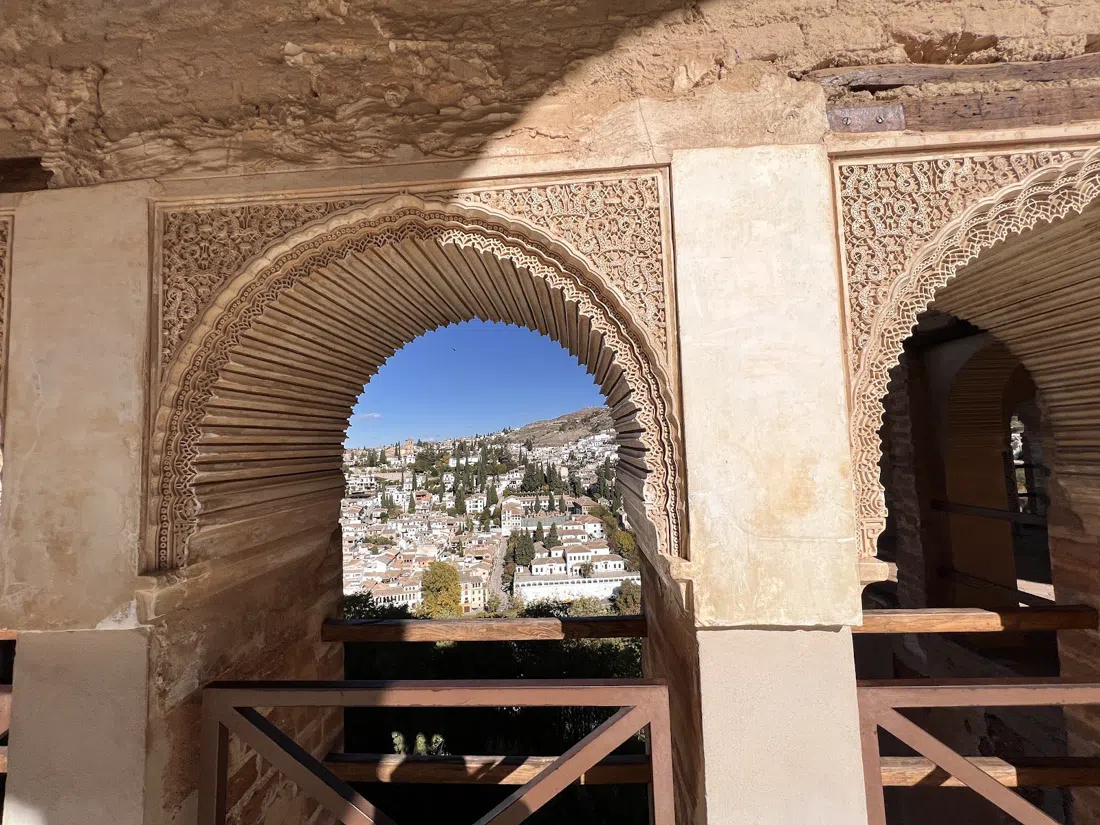
Two things have changed inside. The Alcazaba, the military end of the complex, stays shut until further notice, so the trip loses its best wide view over the rooftops and the Vega beyond. And the Nasrid Palaces route has been re-cut so the site can be emptied quickly if it needs to be: you now move through the Mexuar, the Patio del Cuarto Dorado, the Court of the Myrtles, Two Sisters, Kings, Abencerrajes, and leave by the Puerta del Príncipe. It is a tighter, more linear walk than regulars will remember, and because everyone is now funnelled through the same rooms in the same order, the crowding inside the palaces is heavier than it used to be. Take the earliest slot of the day or one of the last, and do not expect to loiter.
A general day ticket to the monumental complex is €22.27; gardens-only or a night visit is €12.73; under-12s go free. The Nasrid timed entry is enforced to the minute and sells out weeks ahead, so book named tickets before anything else in your trip. Organised groups must do the same, and there is no walk-up route in. If the palace slots are gone, the gardens-only ticket is a real consolation rather than a fallback, particularly in the late light of the Generalife.
The monuments that came back in stages
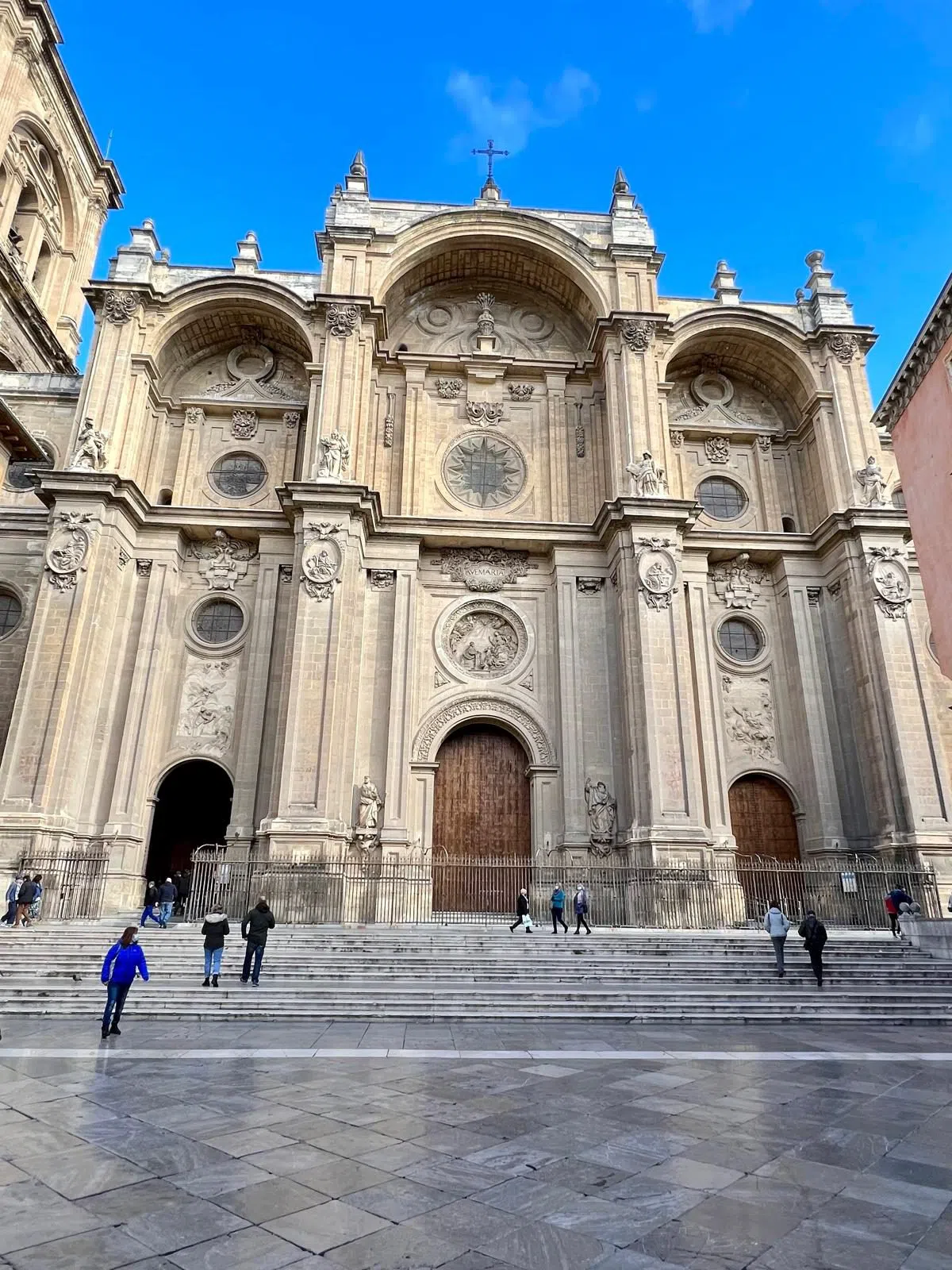
The Catedral de Granada (Centro, off Gran Vía) is the one anyone planning an autumn trip needs to check. It closed in August after fragments fell from walls and vaults, came back for Sunday Mass only on 6 September, and reopened to tourist visits and cultural events on Friday 11 September. Hours are Mon–Sat 10:00–18:15 and Sun 15:00–18:15. Room VIII of the KERYGMA exhibition, the itinerant altar, remains closed, and you pay the exhibition price anyway: €10 for the run of KERYGMA (8 May–28 Nov 2026), €7 outside it, €8 reduced, under-12s free. Groups of 15 or more get a combined-ticket rate through the diocesan ticket office, and audio-guide parties are routed to avoid Mass times.
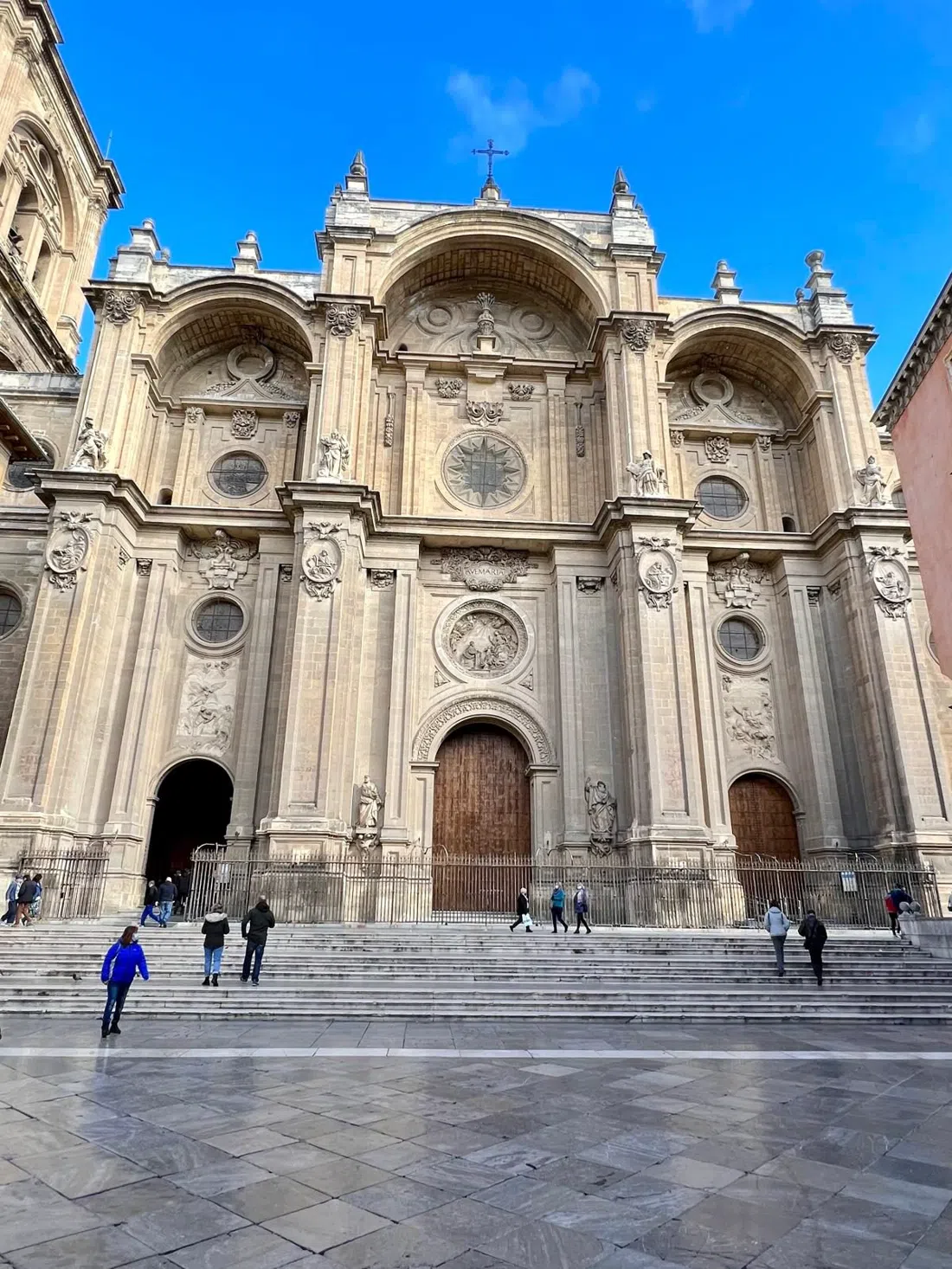
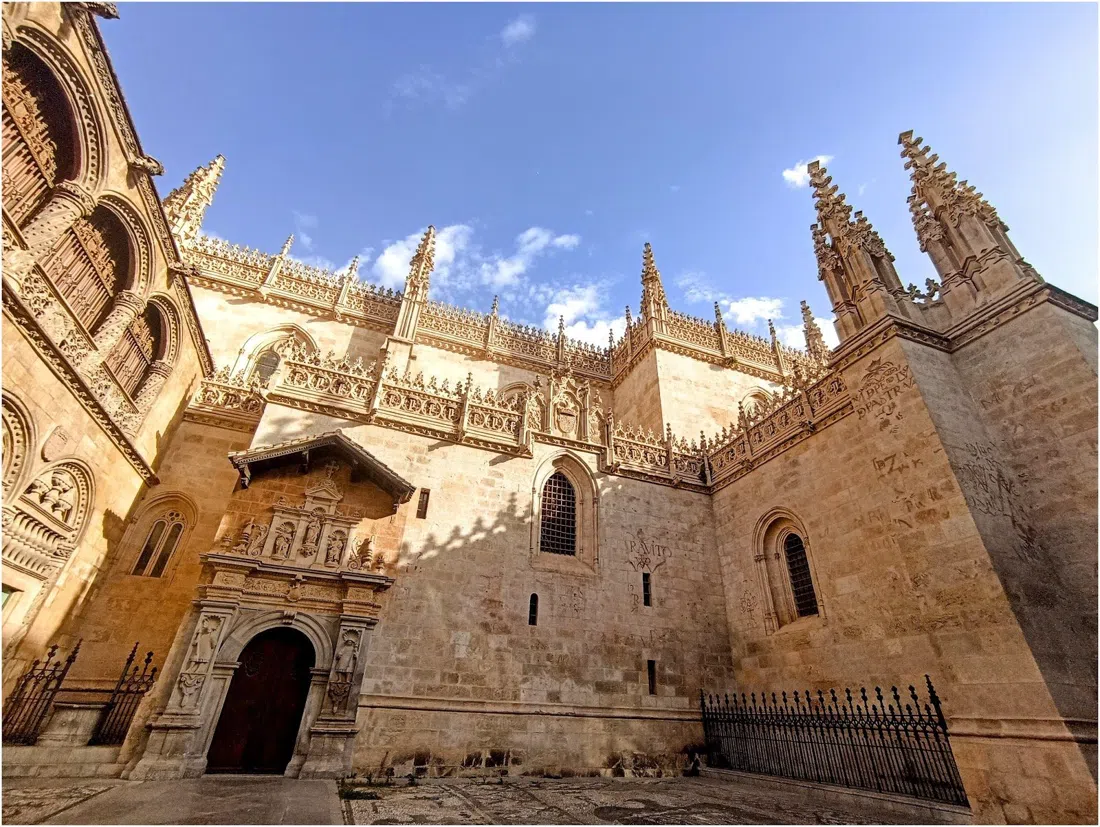
Next door, the Capilla Real de Granada (Centro, beside the cathedral) was among the very first monuments back, reopening on 20 August once the diocese's structural checks cleared it. The Catholic Monarchs' tombs and the Flemish panels have been visitable right through the autumn. It is €7, groups need pre-booked slots, the group rate starts at 15, and large parties are kept out during liturgy. That last rule is not negotiable, so build your morning around it rather than hoping.
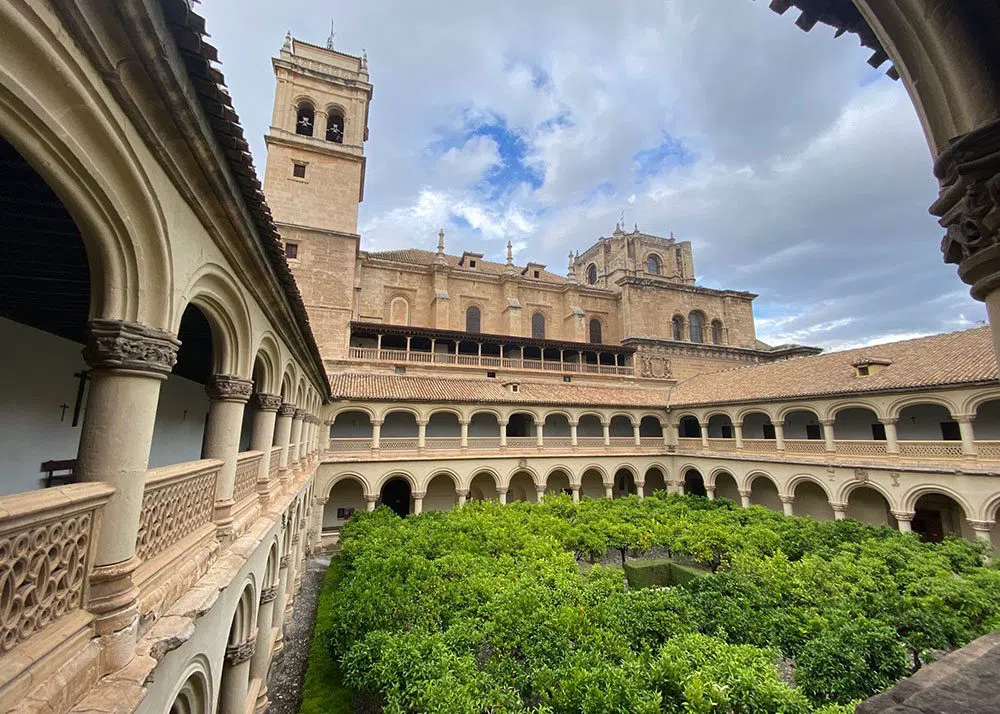
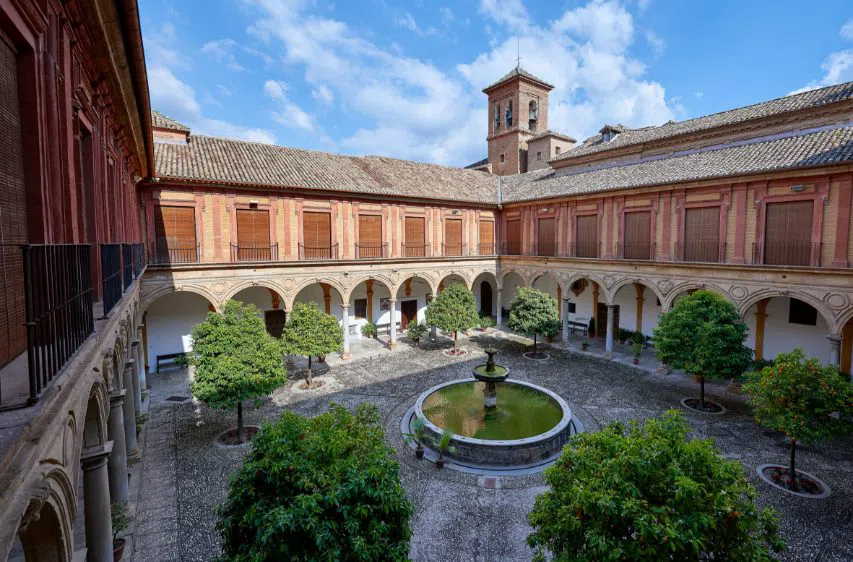
The Real Monasterio de San Jerónimo (Centro, in the university quarter) did take minor interior damage in August: small pieces of masonry came down inside and along an upper cloister. It is open nonetheless on its normal September-to-February timetable, Mon–Sat 10:00–13:00 and 15:00–18:30, at €7. Guided visits run at 10:00 on Sundays and holidays for the same price and should be booked, because worship takes precedence and the hours change without notice.
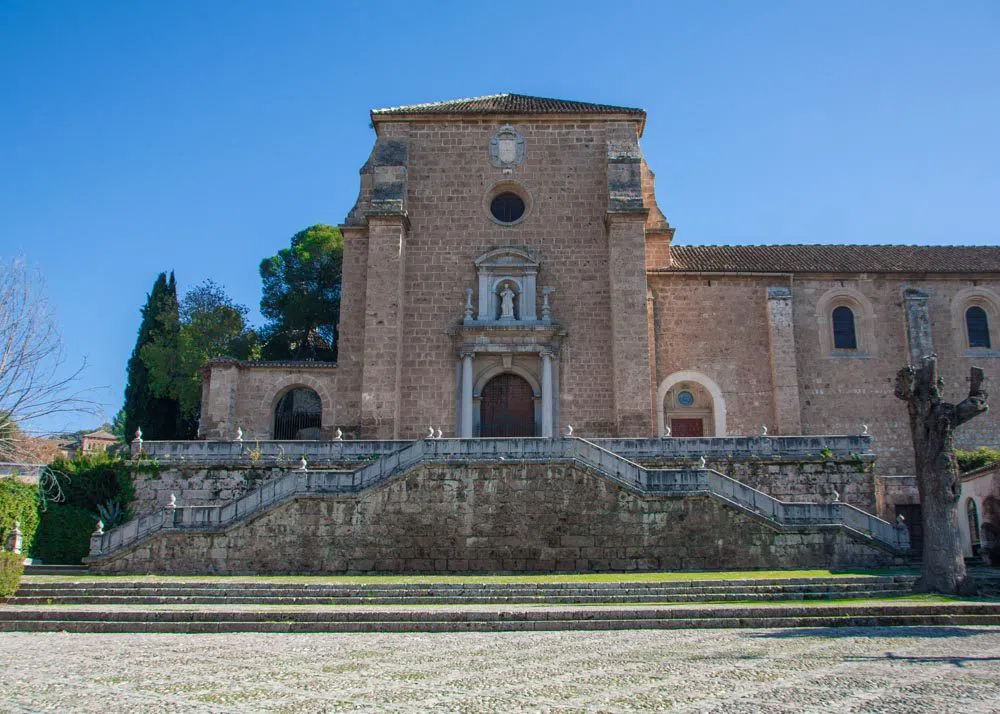
The Monasterio de la Cartuja (La Cartuja, twenty minutes north of the centre) also reopened on 20 August, and it is the quiet answer to the pressure now building inside the Alhambra. It is €7, coach groups are routine here, the group rate starts at 15, and the cloister absorbs a crowd in a way the city-centre interiors cannot. Of Granada's first-rank interiors this is consistently the emptiest, which matters more this season than it usually would.
Up the Albaicín and along the Sacromonte
The Mirador de San Nicolás (Albaicín) is free, open air and always accessible, which makes it the dependable fallback on a day when something else is shut for checks. There is no door policy and no ticket; the cost is human. In the last hour of light it is packed, and a group of any size should be up there well before sunset if it wants to stand together. Remember the San Miguel Bajo cordon a few streets away: the classic Albaicín loop between the two can still meet a barrier.
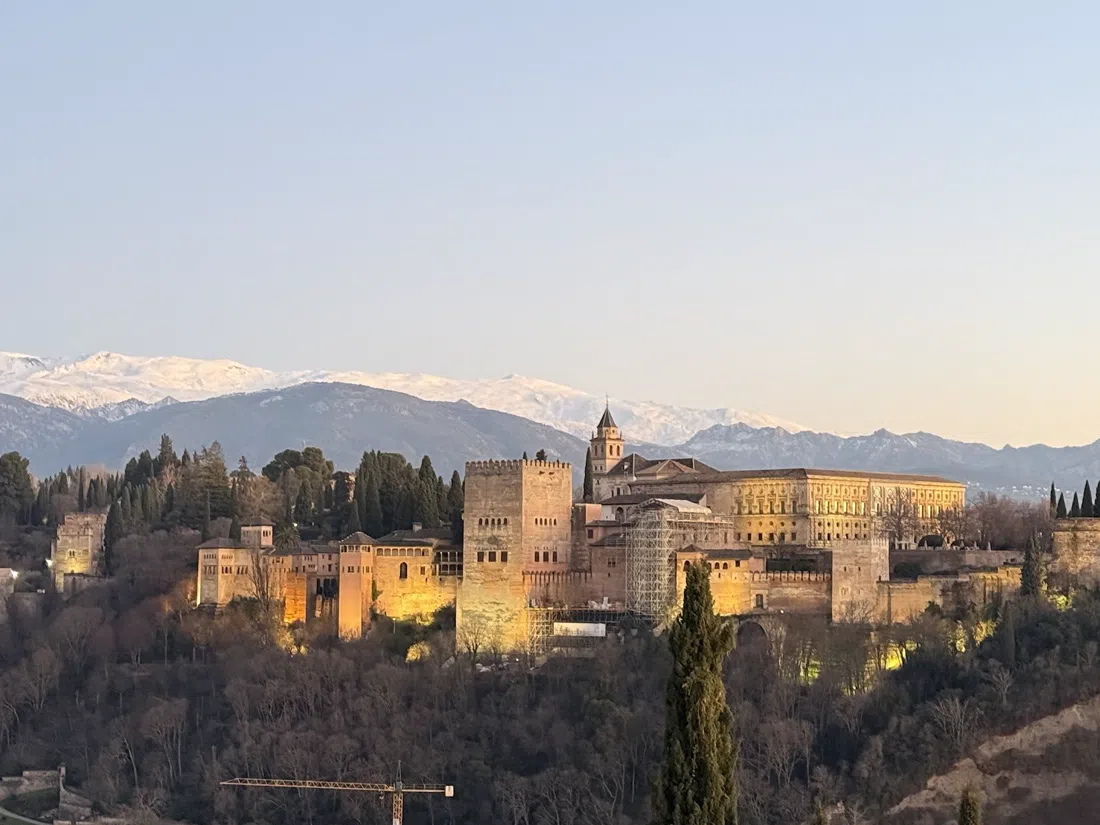
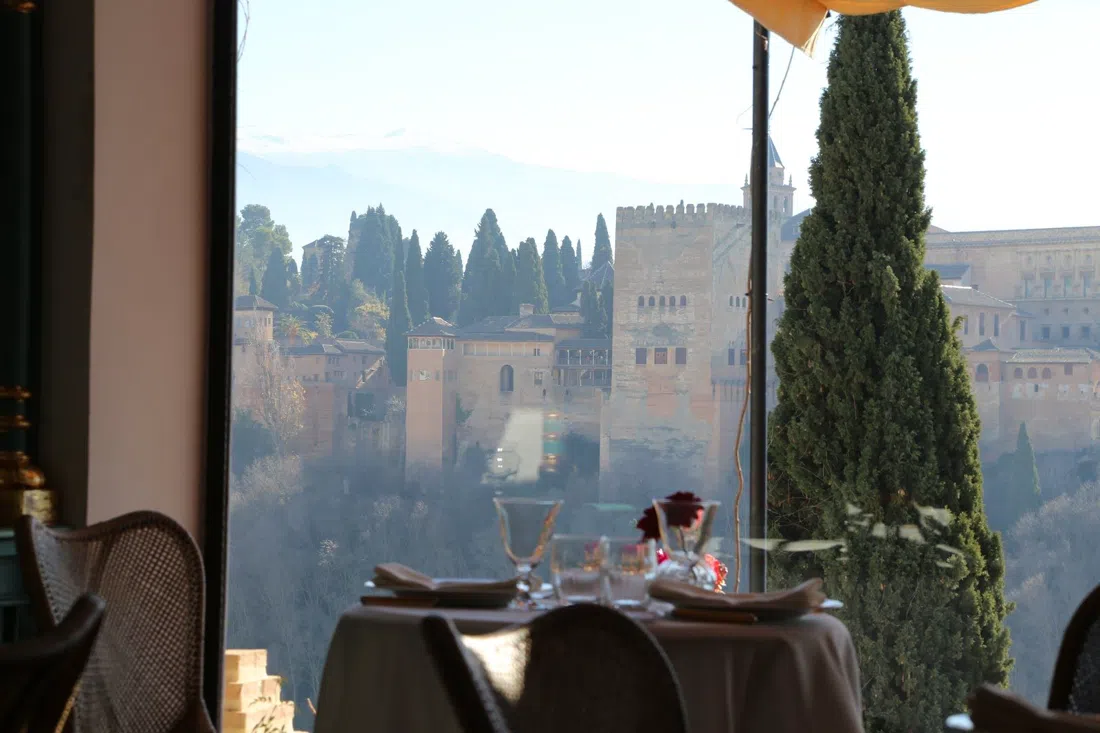
El Huerto de Juan Ranas (Albaicín, beside the mirador) is the easiest way to take the same view sitting down, open 13:30–23:00 daily on a mid-range Andalusian menu with drinks-and-view pricing on the sunset terrace. It takes group reservations, but sunset tables are the scarce commodity and carry a supplement, so confirm in writing which terrace level you are booked on. The approach is cobbled and steep, and a poor choice for anyone with limited mobility.
Higher and east, the Abadía del Sacromonte (Sacromonte, at the top of the Valparaíso hill) reopened on 20 August with the Royal Chapel and La Cartuja. It is €7 and visited on a timed, single-file route through the catacombs, so book ahead; the format suits organised groups and tolerates no drop-ins. The walk up is the most useful half-hour you can spend if you are still uneasy, because the hillside quarter looks, and is, almost exactly as it was.
Below it, the Museo Cuevas del Sacromonte (Sacromonte) is open daily 10:00–20:00 on the summer timetable with last entry at 19:40 until 25 October, then 10:00–18:00. It is €6, under-10s free, outdoors and self-paced, with free audio guides in Spanish and English so no guide bottleneck forms. The caves here are cut into consolidated conglomerate rock and came through the August series without incident, which is the most direct answer there is to the question of whether the cave quarter is safe to walk.
Evenings that do not end in a long dark walk
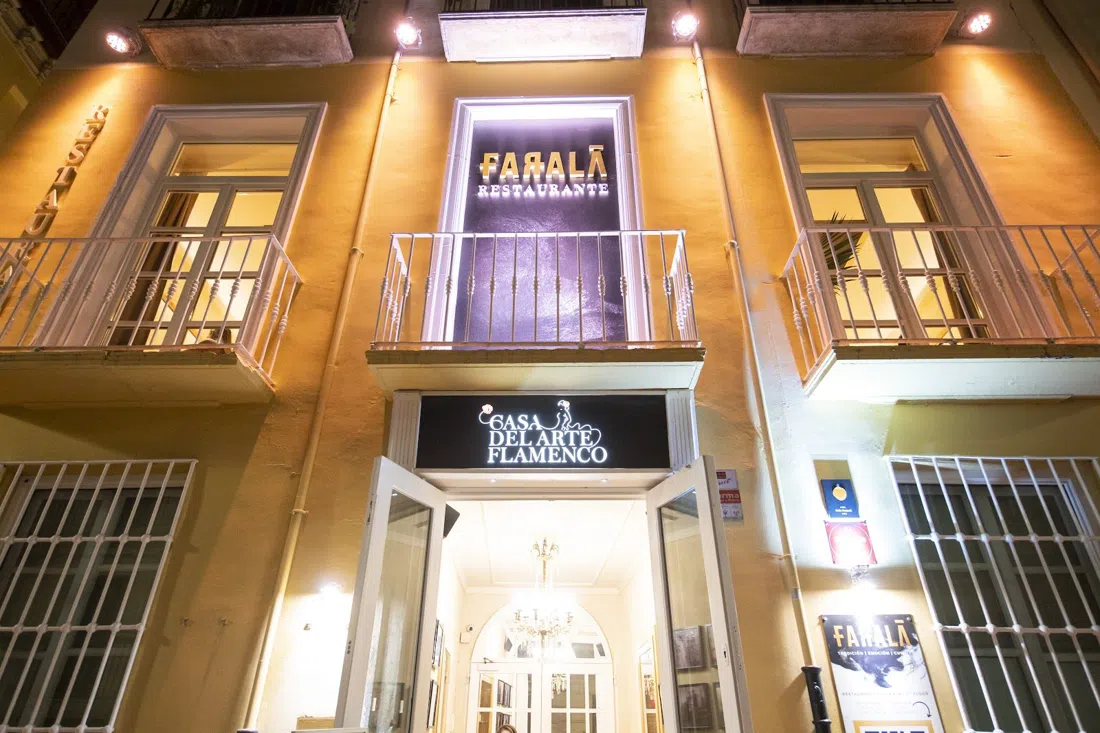
Casa del Arte Flamenco (Centro, a short walk from Plaza Nueva) is the intimate four-artist tablao that set the template in this city: 80 seats, one hour, nightly. It is €20 standard, €18 for students and over-65s, or €55 with dinner at Faralá, and private-group bookings are taken on request. With that seat count, anything larger than a handful of people needs to book well ahead. Its practical virtue this autumn is location: an evening out that does not end with a descent of a dark hillside.
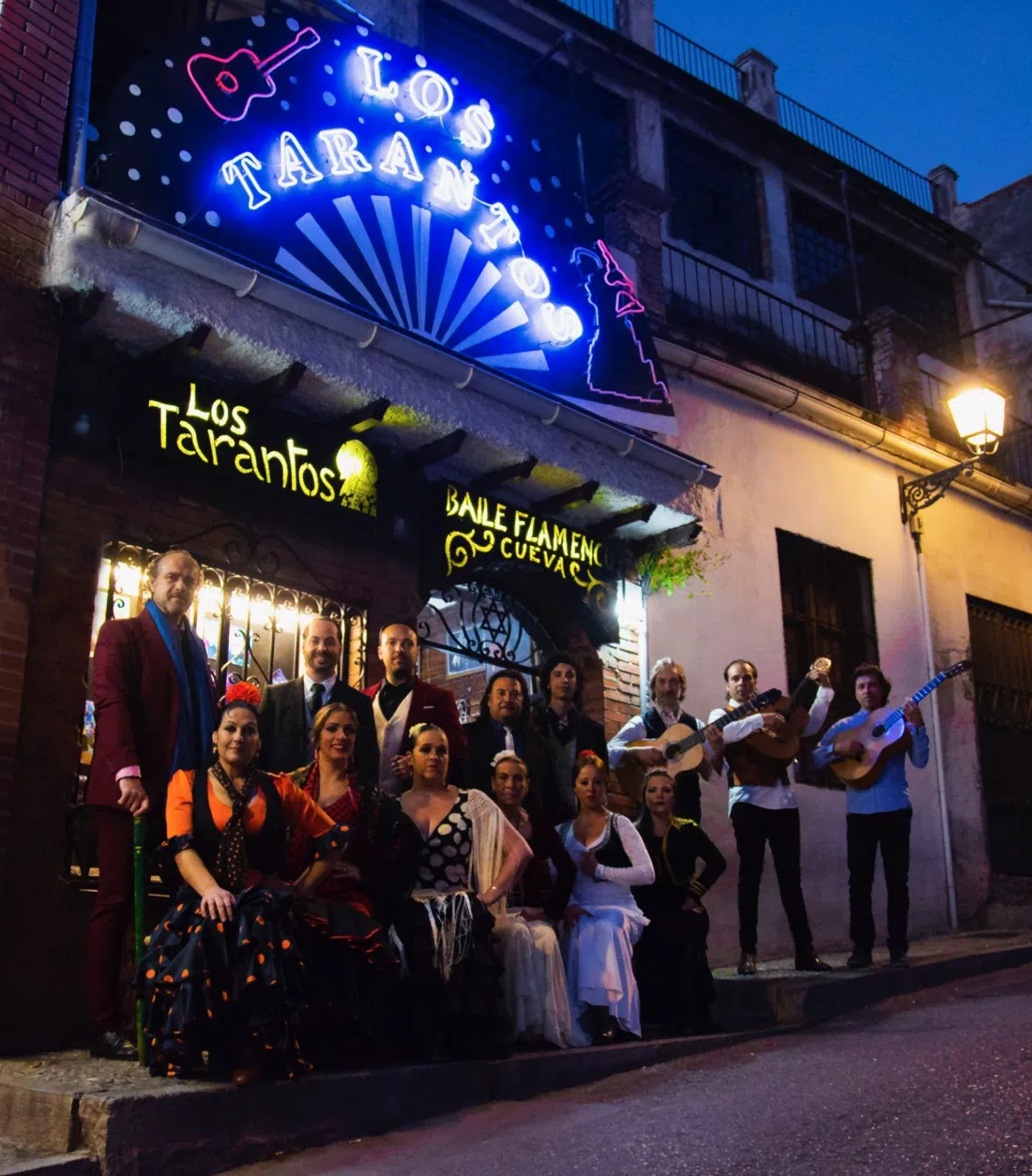
If you want the hill anyway, Cuevas Los Tarantos (Sacromonte) is the most group-capable room in the city, with about 190 seats across three caves, a dedicated group line and packages that bundle transport. Family-run since 1972, performing nightly, reservations from 18:00 to 00:00. It runs from €28 for the show plus a drink, €55–60 with dinner, and €65–69 including an Albaicín tour and transfers. The zambra is the Sacromonte's own form rather than an imported tablao, and the transport-included option solves the steep walk back better than any map will.
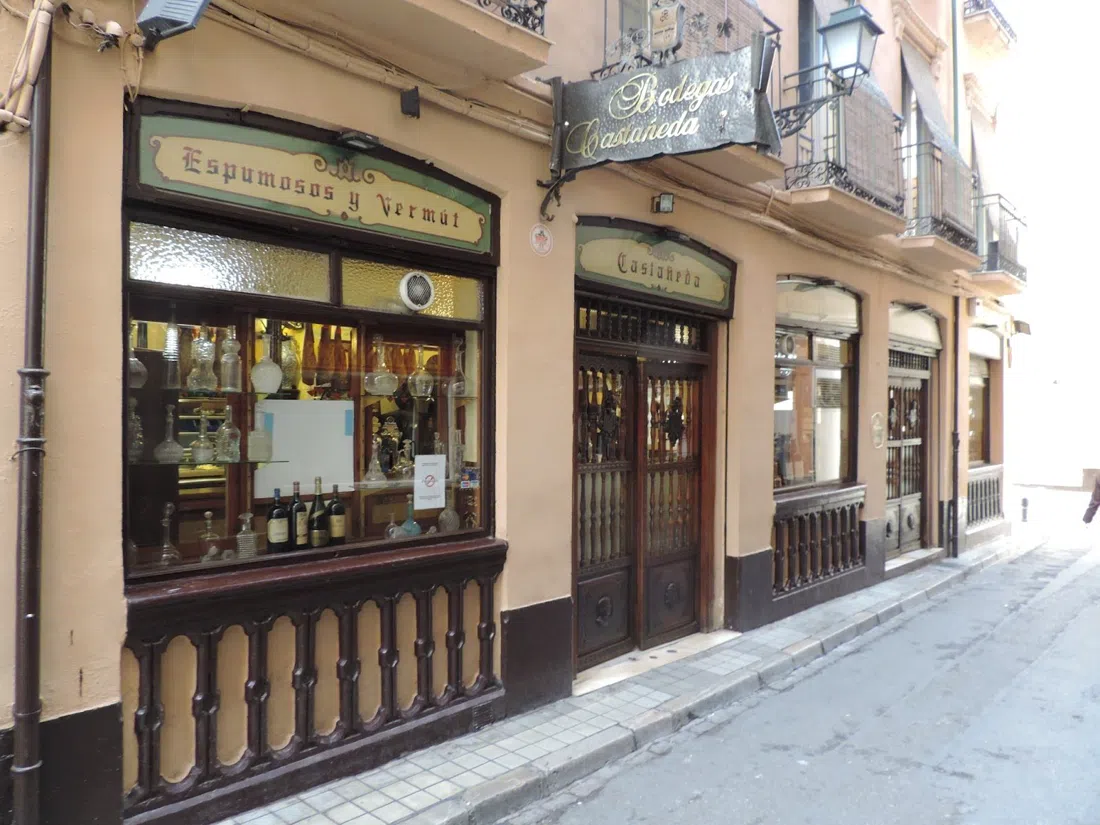
For the tapas run, Bodegas Castañeda (Centro, Calle Almireceros at the corner of Elvira) has been pouring vermut on tap since 1927 and opens 11:00–16:00 and 19:00–01:00. There are no reservations and barely any seats; small groups slot in, larger ones get split across the room, so arrive early. A drink comes with a free tapa and the sharing boards run to a few euros each.
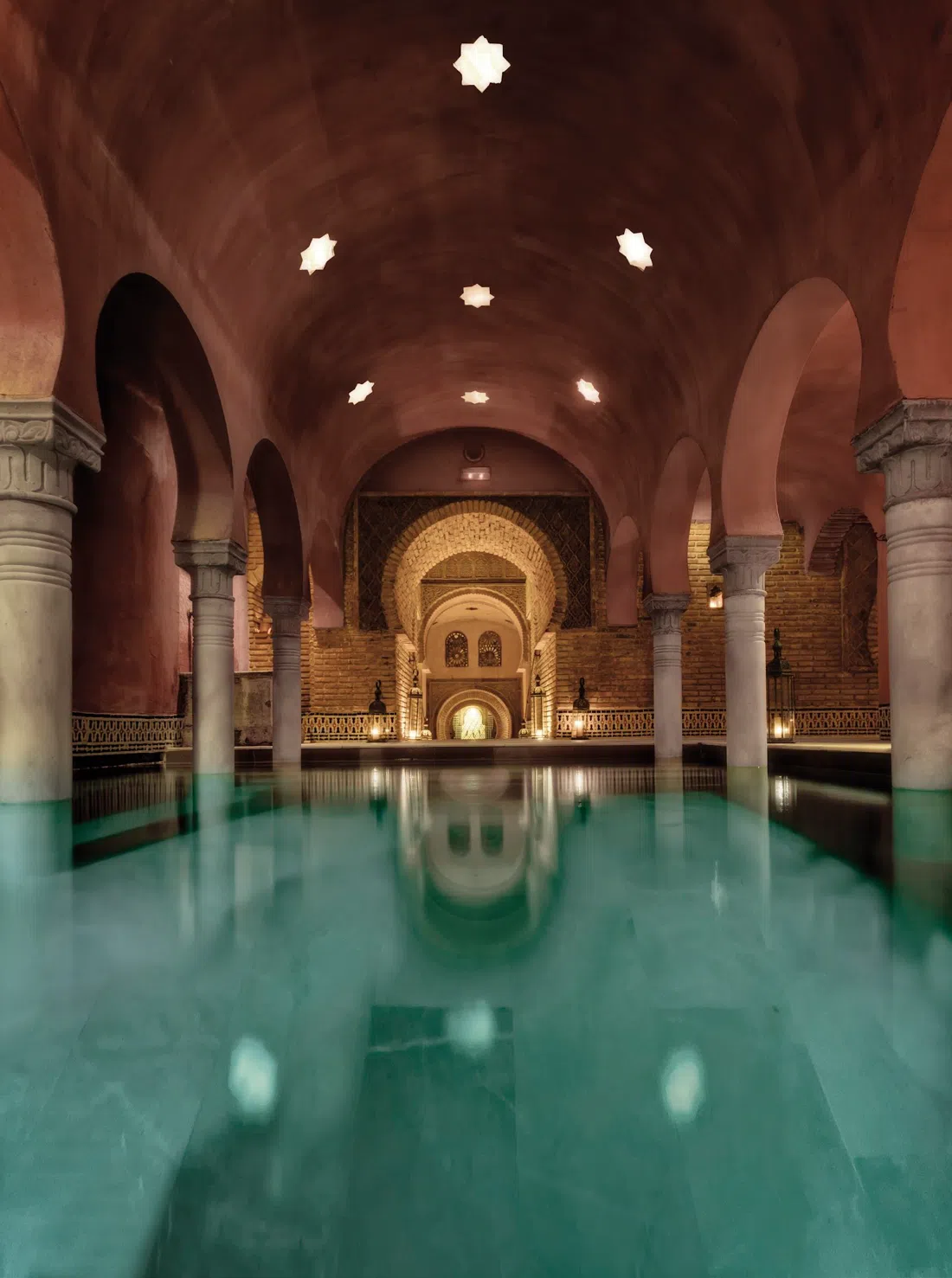
Hammam Al Ándalus Granada (Centro, Calle Santa Ana beside Plaza Nueva) is operating its normal shifts, 10:00, 12:00, 14:00, 16:00, 18:00, 20:00, 22:00 and 00:00, at roughly €70 per person for the 90-minute bath, with two-person packages around €135–145. Each slot is capped, so a group must make one booking together rather than several. Be clear-eyed about what it is: a modern purpose-built bath, not a historic one. That distinction matters this season, because the genuinely medieval El Bañuelo belongs to the Andalusí monuments group still closed for inspection.
The museum that explains the ground under your feet
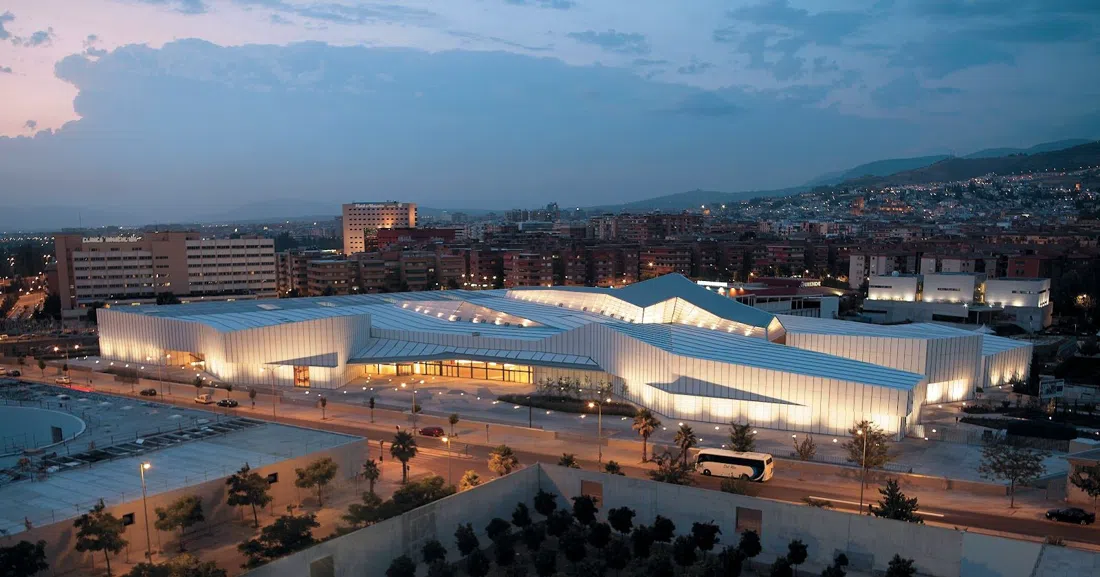
If the tremors are sitting uncomfortably with anyone in your party, spend a morning at the Parque de las Ciencias de Andalucía (a short ride south-west of the centre), open 10:00–19:00. Its Prevention Culture pavilion runs earthquake drills and public workshops setting out exactly why the Vega de Granada shakes and what the buildings here are built to do about it. For turning unease into understanding it is the most useful stop in the city. Entry is €10, €8 reduced, with organised groups of 15 or more paying the reduced rate and schools from Granada province free in school hours; the planetarium is €3.50 as an add-on or €4.50 standalone, and under-3s are free. The BioDomo is closed for works from 7 September to 6 October.
Where to sleep
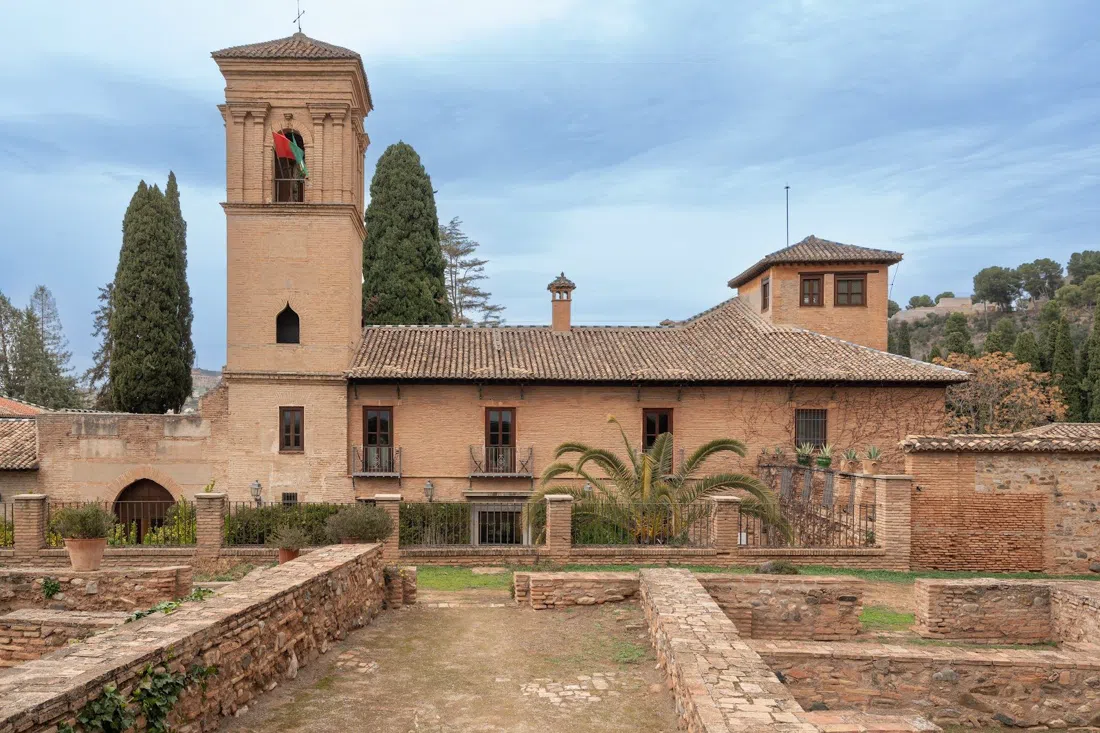
Ground matters here, and the clearest example of it is the Parador de Granada (inside the monument grounds on the Alhambra hill), which sits on bedrock rather than the soft Vega sediment south of the city where the evacuations happened. It is the smallest and most heavily booked Parador in Spain, at the top of the market on price, and group blocks need months of lead time. Guests get one genuinely useful privilege: they are the only people allowed to drive into the monumental precinct, on production of the booking at the barrier.
For everyone else, the flat ground between the cathedral and Plaza Nueva is the practical base, close to the reopened monuments, level enough to walk at the end of a long evening, and well served for a morning climb to the Alhambra. Compare rates and locations through the Granada hotel search, and read the wider Granada guide for the neighbourhoods in detail. The Albaicín is the romantic choice and still deserves it, but factor in the cobbles, the gradient and the chance of a cordoned square between you and your door.
Practical notes for an autumn 2026 trip
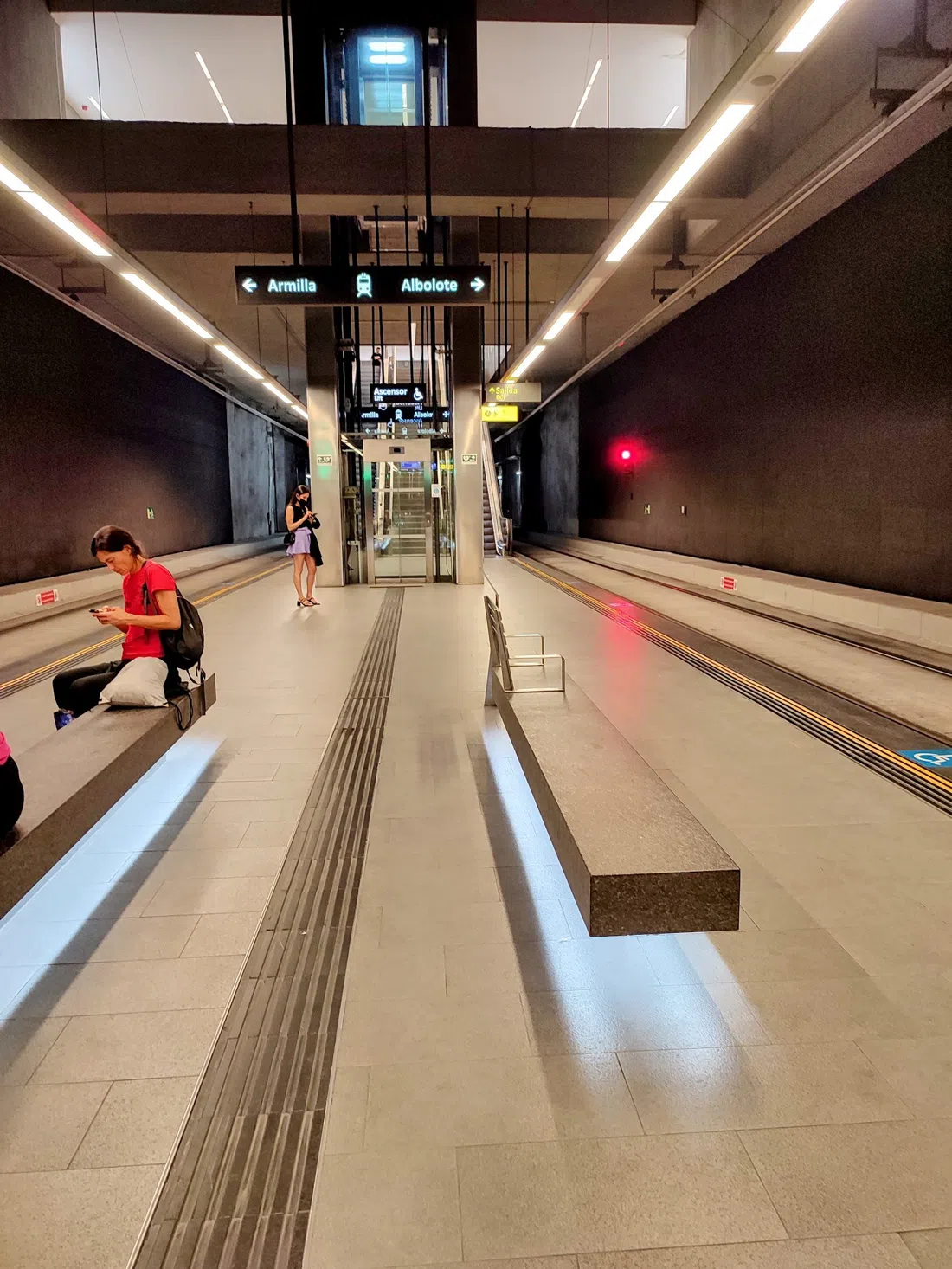
Transport is the reassuring part. Metro de Granada (Line 1, running north to south through the metropolitan area) dropped its trains to 30 km/h as a precaution while the seismic emergency phase was active; the Alcázar Genil lift was back in service by 20 August, and the operator's incident log carries nothing current. The same infrastructure came through the 2021 metropolitan swarm without notable damage. Mainline Renfe trains, regional buses and the motorways ran throughout. Tickets are €1.35 single or €0.82 per trip on the general travel card, so buy a rechargeable card rather than queuing a large party at the machines.
Cards work almost everywhere, but carry €30–40 in small notes for the standing tabernas and a short taxi up the hill after dark. Book in this order: the Nasrid Palaces slot first, then the flamenco room, then the hammam shift, then everything else around them. Watch two dates: the Sacromonte museum shortens to 10:00–18:00 from 25 October, and the cathedral only opens at 15:00 on Sundays. Budget roughly €60–80 a day per person for entries, tapas and metro without a tablao, closer to €110–130 with a show or a bath. And keep one unbooked afternoon. This is a city that reopened in stages, and the traveller who leaves room for a change of plan will not notice the difference.