The Granada issue
The Day Trips That Earn Granada a Third Night
Three nights in Granada leaves two clear mornings, and the roads out of the city reach snowline, gorge, cave and sea before lunch. This is which road to take, and what it honestly costs.

By Camille FontaineGranada beyond the Alhambra queue
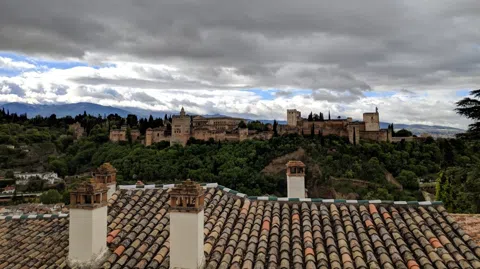
The Alhambra holds the last of the light long after the Albaicín has gone blue beneath it, and by your third evening you will have learned to be somewhere high when it happens. That is also, reliably, the evening the question arrives: the palace is seen, the tapas walk is learned, and there are still mornings unaccounted for. Granada answers by pointing outward, at a mountain range that begins twenty minutes past the ring road, and at roads that reach snowline, gorge, cave and sea inside two hours of the cathedral.
What the third night actually buys
Two nights is enough for the city. You get your Alhambra slot, an afternoon climbing the Albaicín, a night of free tapas along Calle Elvira or Navas, and a morning in the Realejo with your legs complaining. What two nights does not buy is a day that starts in the dark and ends with your boots by the door, and that day, rather than the extra evening, is what makes three nights worth the money.
The practical advice is unglamorous: do not move hotels. Granada sits at the mouth of four separate landscapes, and every one of them is a return trip from the same bed. Book a central room for all three nights, take the bus or the car out in the morning, and come back to a city you already know how to eat in. If you have not fixed the base yet, the Granada hotel search is the place to start, and anything within walking distance of Plaza Isabel la Católica or Gran Vía puts you close to the bus station transfers and the early departures.
The second piece of honesty concerns wheels. Roughly half of what follows is doable on public transport, and the other half needs a car or a guided minibus. Granada's regional buses are competent but sparse, and a single missed afternoon return can strand you in a village of eighty people with a lot of time to consider your planning. Read the timetable the night before, every time.
Plan your Granada trip
Live prices from our booking partners.
Free cancellation on many rooms. We may earn a commission when you book.
The Alpujarras, and how much of them to attempt
If you take only one day out of Granada, take this one. The Barranco de Poqueira (Pampaneira, Bubión and Capileira, high Alpujarras) is a single ravine holding three white villages stacked at rising altitudes, their flat clay roofs and cylindrical chimneys unchanged since the Morisco farmers who built them were expelled in the sixteenth century. Water runs in open channels down the middle of the lanes. The light at that height is thinner and harder than the light in the city, and the smell is woodsmoke and cold stone even in warm months.
The villages are open ground, with no doors, no tickets and no policy about how many of you turn up. Coach and minibus parties arrive daily and the plazas absorb them without much fuss. On Pampaneira's Plaza de la Libertad, Abuela Ili keeps a free chocolate museum that takes walk-in groups, which is a decent twenty minutes and an unusually painless way to occupy a mixed party while the walkers get ahead.
Walk it if you can. The path from Pampaneira up through Bubión to Capileira is the point of the place, and it is a manageable morning at a steady pace. Wandering costs nothing; the ALSA bus from Granada runs about €6.45 to €8 each way, and guided day tours from the city sit somewhere between €45 and €95 per person depending on how much walking and lunch is bundled in.
The catch is the timetable, and it is the thing that ruins itineraries. The Granada to Pampaneira service, via Órgiva, leaves at 09:00, and afternoon returns are limited to one or two. Check ALSA the night before or drive. Miss the return here and you are spending the night in the mountains.
Trevélez (upper Alpujarras, an hour east of the Poqueira villages) is the highest village in Spain and the only Alpujarra stop with a working trade to watch rather than a preserved one. Cold, dry mountain air cures the hams that hang by the thousand in its secaderos, and the tours are real working ones: Jamones Vallejo runs its ham museum and tasting in both Spanish and English, while Jamones Ruiz Baños books online with 24 hours' notice and takes parties over seven by telephone. Expect roughly €5 to €15 per person for a tour with a tasting; a guided day trip from Granada with transport included runs closer to €99.
Do not try to combine Trevélez with the Poqueira villages on a bus day. It is another hour of hairpins past Capileira, and the two together make a day of driving with villages glimpsed through a windscreen. Pick one, unless you have a car and are out of the city by eight.
For anyone who wants the mountain rather than the village circuit, Nevadensis (based in the Alpujarras, guiding since 1989) is the serious option. They run low, medium and high mountain walks, via ferrata, climbing and canyoning, and they take private group departures on request, built for parties rather than merely tolerating them. Day walks are quoted per group, so confirm the current tariff when you book. Pay for it because the good routes above Capileira are easy to get wrong alone, and the weather at 2,000 metres does not care about your itinerary.
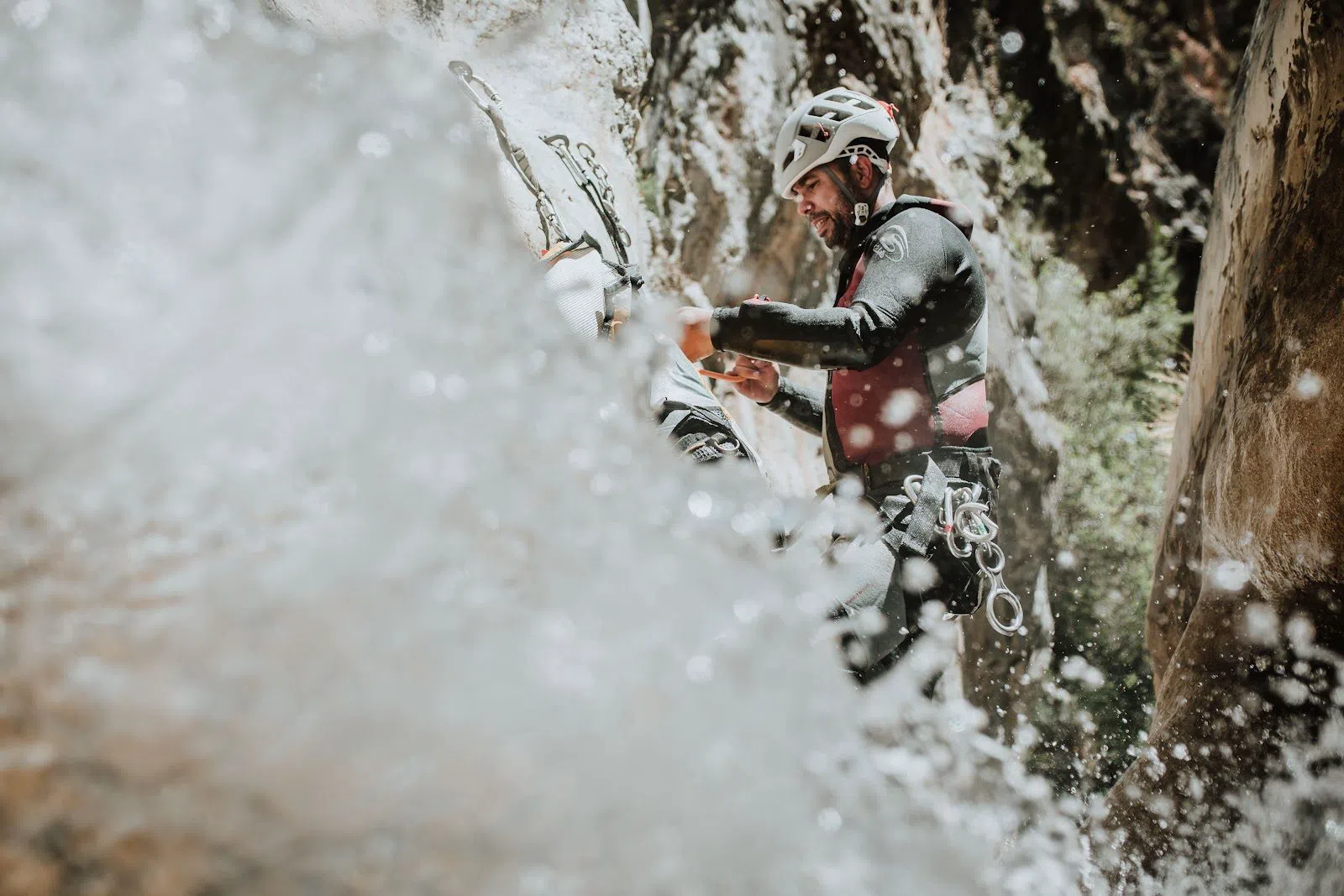
The mountain in its quiet season
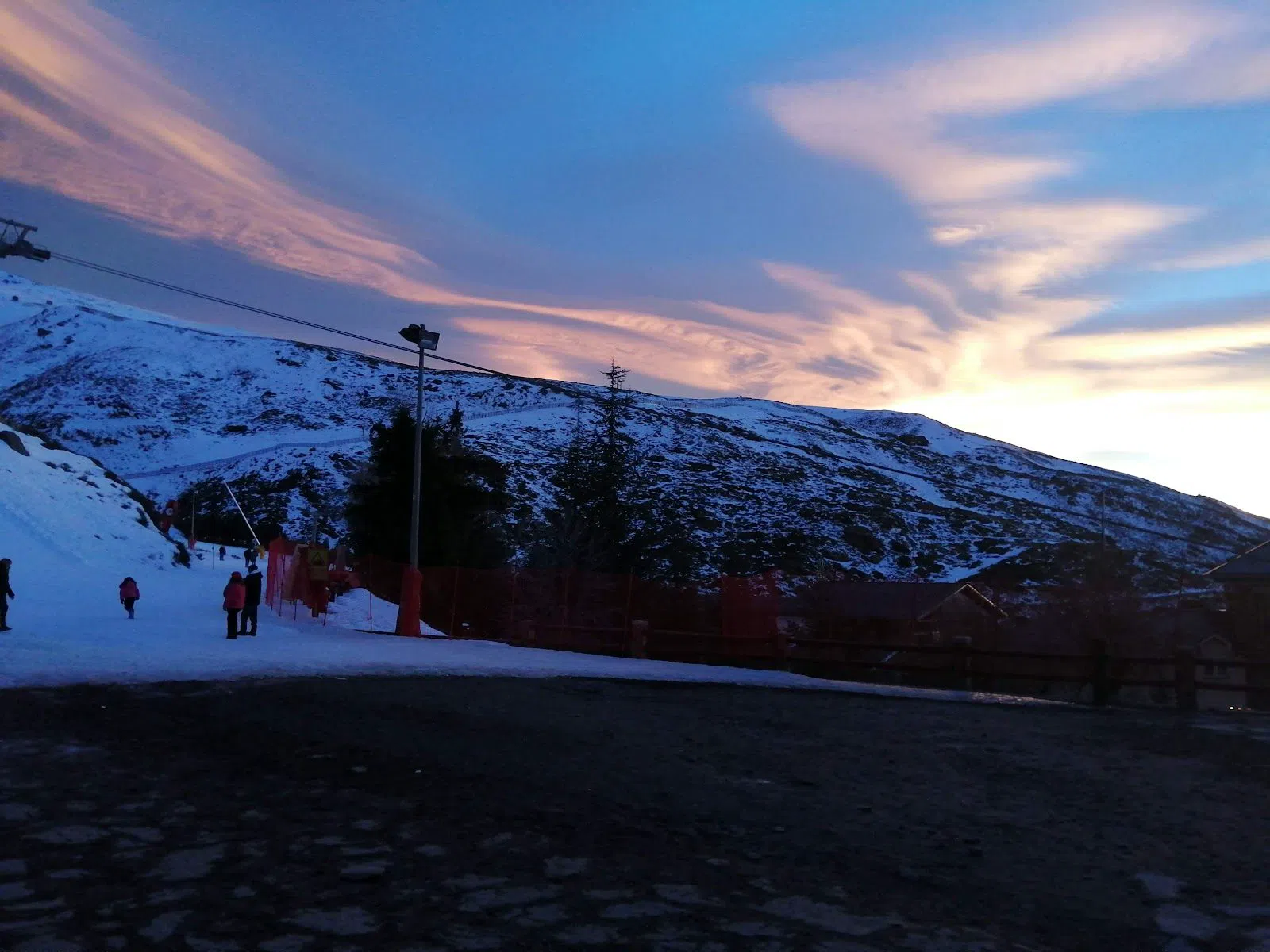
Sierra Nevada at Pradollano (ski resort, half an hour from the city) is the strangest thing about Granada's geography: a lift station and a mainland European ski season sitting above a city of jacaranda trees. The Telecabina Borreguiles carries you up from the resort village, and because it is resort infrastructure, groups are entirely routine. Tickets are sold individually and coach parties come and go all winter.
Everything here depends on the season. A summer lift ticket is around €20 and a winter day ski pass around €50, but the summer lifts ran only from 11 July to 23 August in 2026. Outside the ski season and that narrow summer window, the cable car is not an option and you drive up to Hoya de la Mora and walk from the road-head instead, which is a fine day, and free, but a hike rather than a ride. Check the resort site for the current rate and the current opening before you commit a morning.
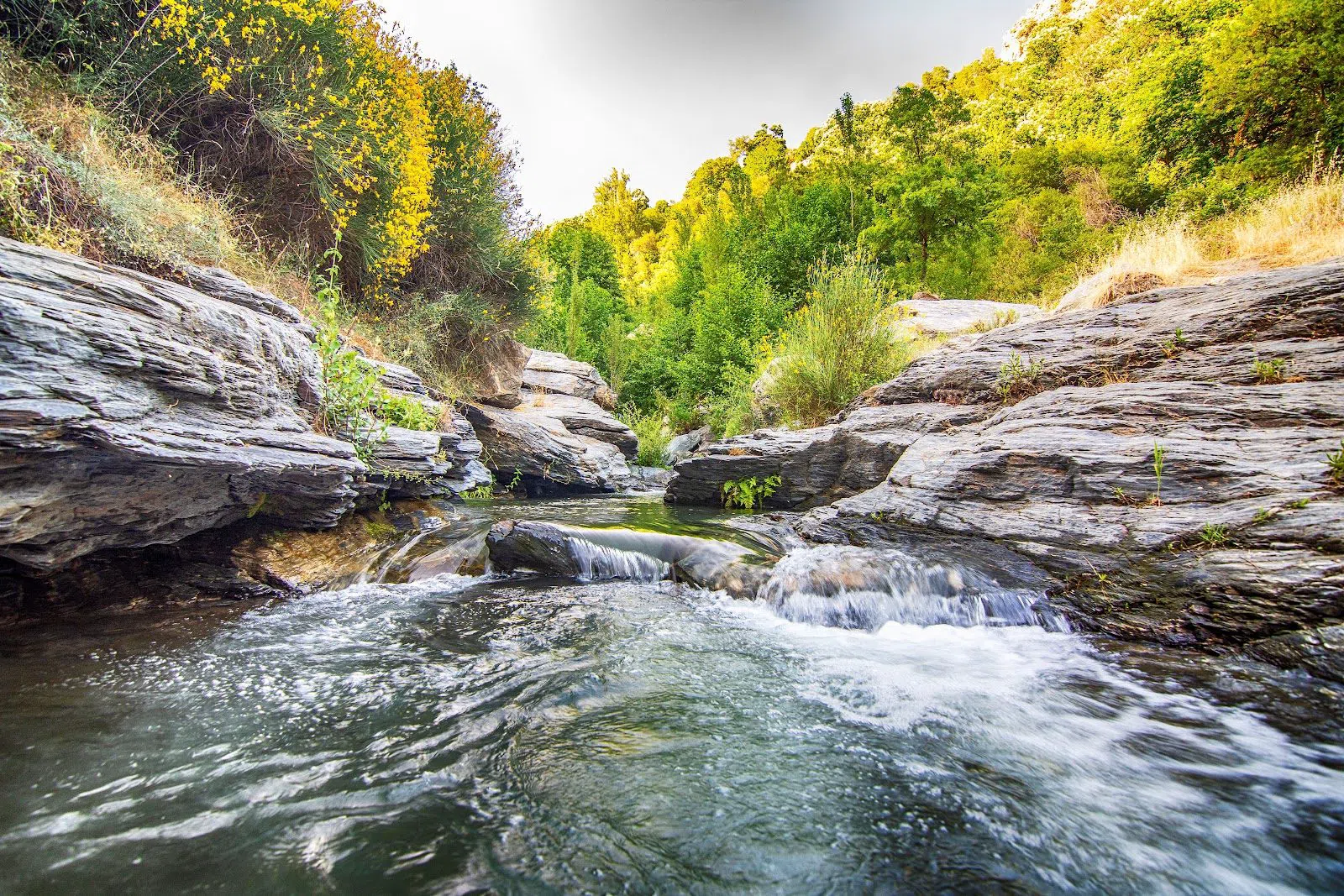
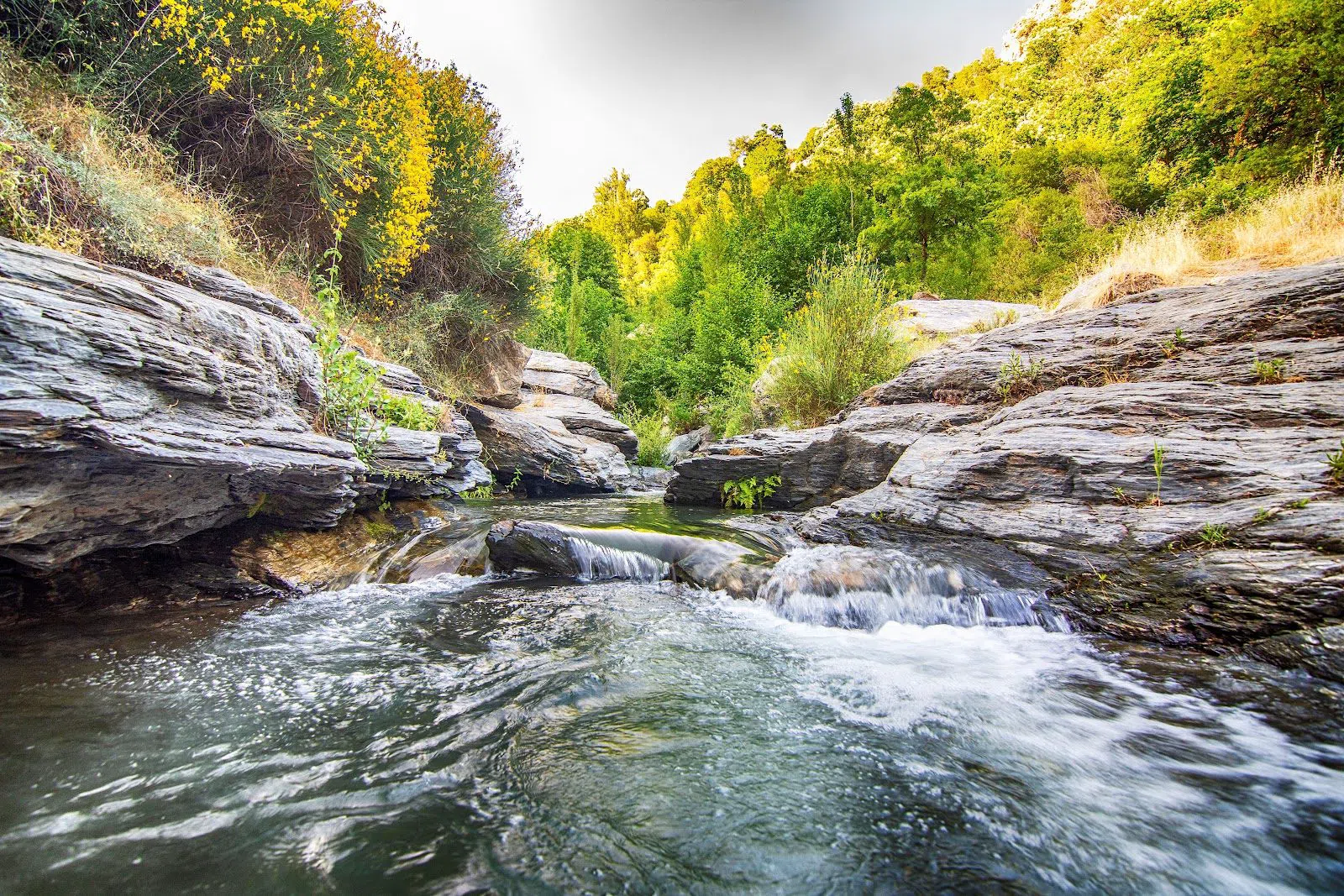
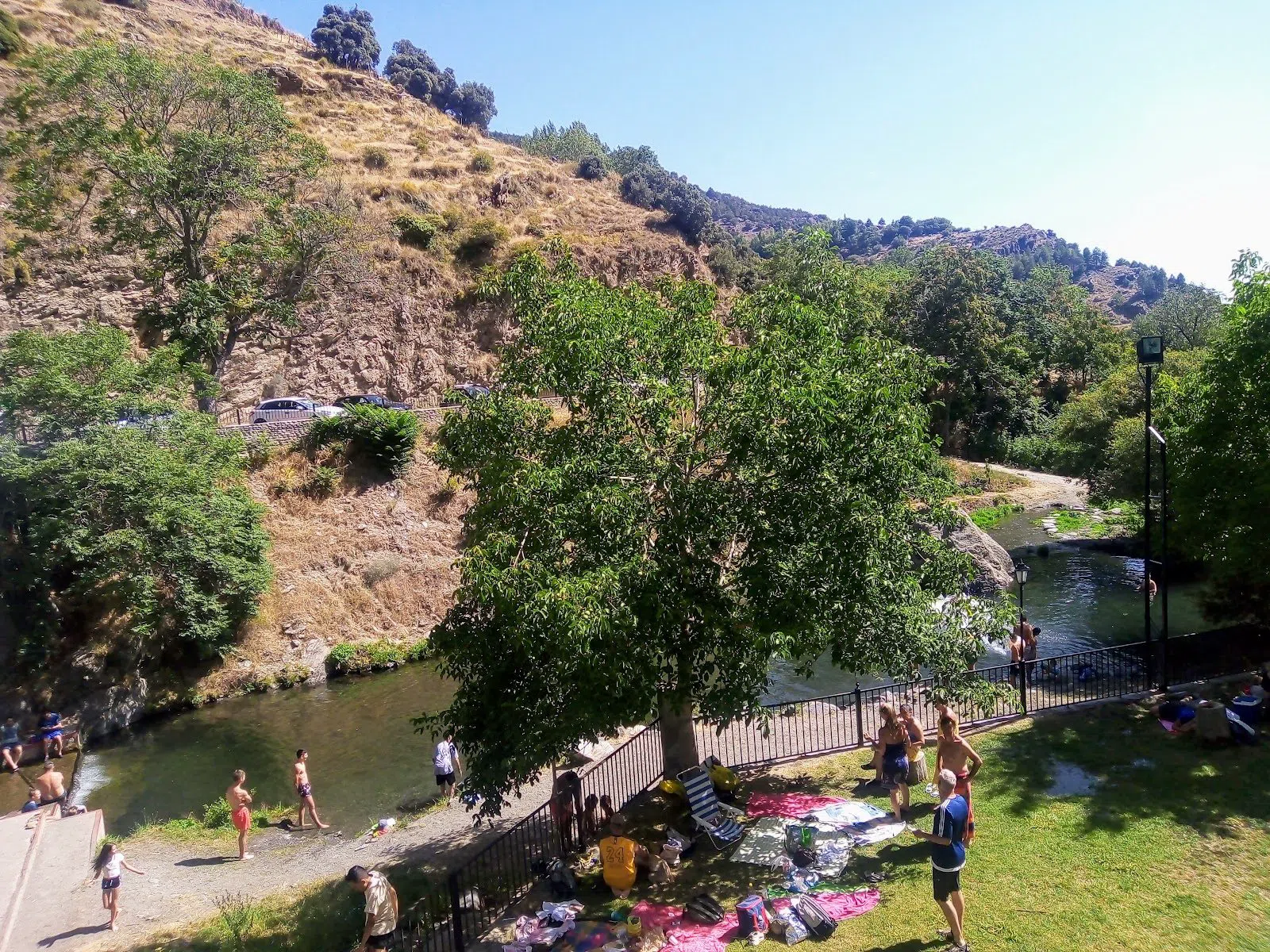
Los Cahorros de Monachil (Monachil, twenty minutes from Granada) is the walk to take when you want mountain scenery without losing the day to a coach. It is a proper 8 km canyon loop through a limestone gorge, with hanging bridges, a squeeze between rock walls and river noise the whole way. No ticket, no cap, no restriction; small-group guided walks with transport from Granada run daily and cap at around 12 to 15 people, at roughly €35 to €45 per person.
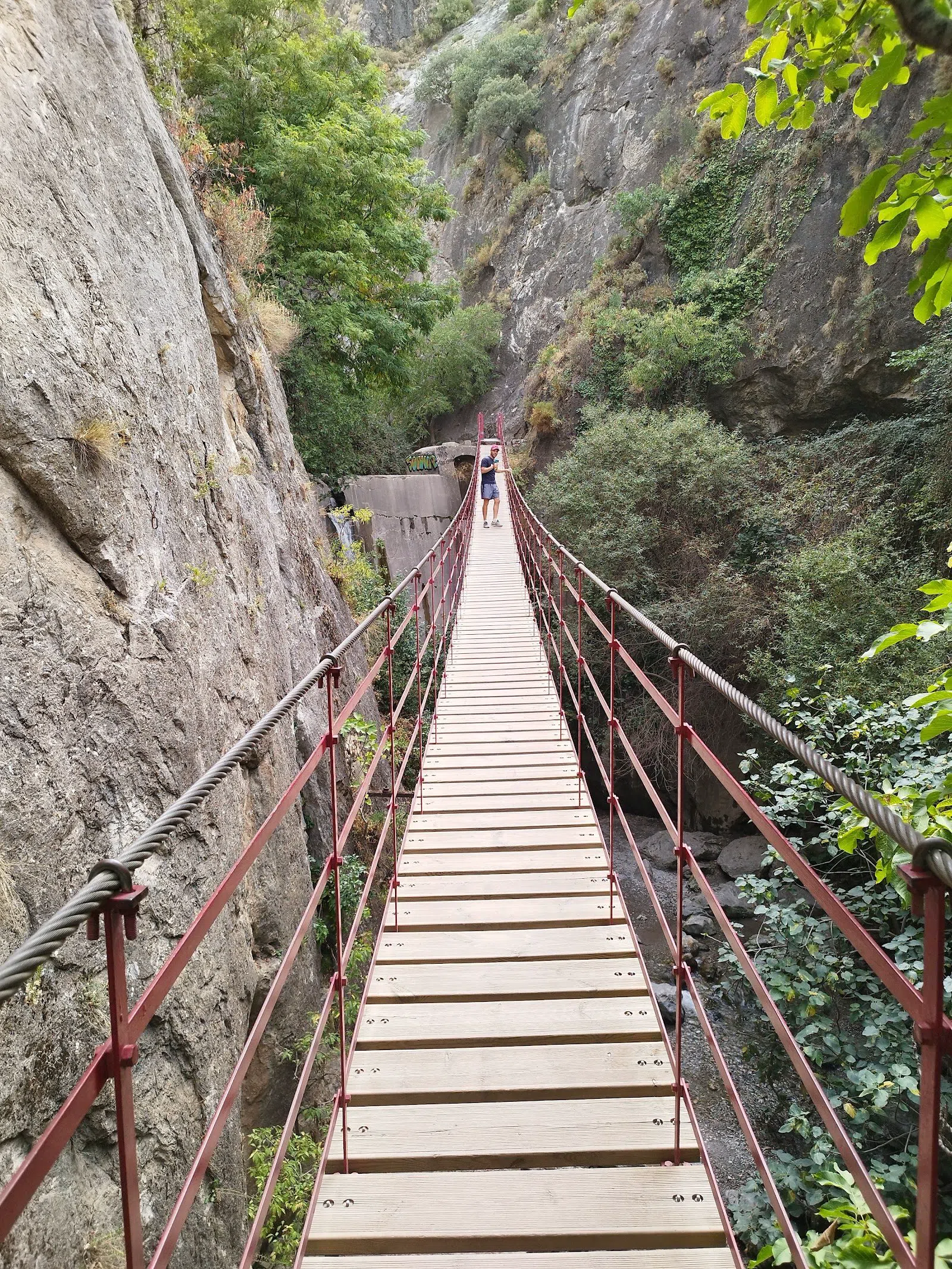
The riverside stretch between the old power station and the first short bridge was closed after rockfalls on 31 August 2026. Take the long-bridge route or use the Camino de la Umbría access, and check the town hall notice before setting off, because the closure line has moved more than once.
The coast you can reach and still get back from
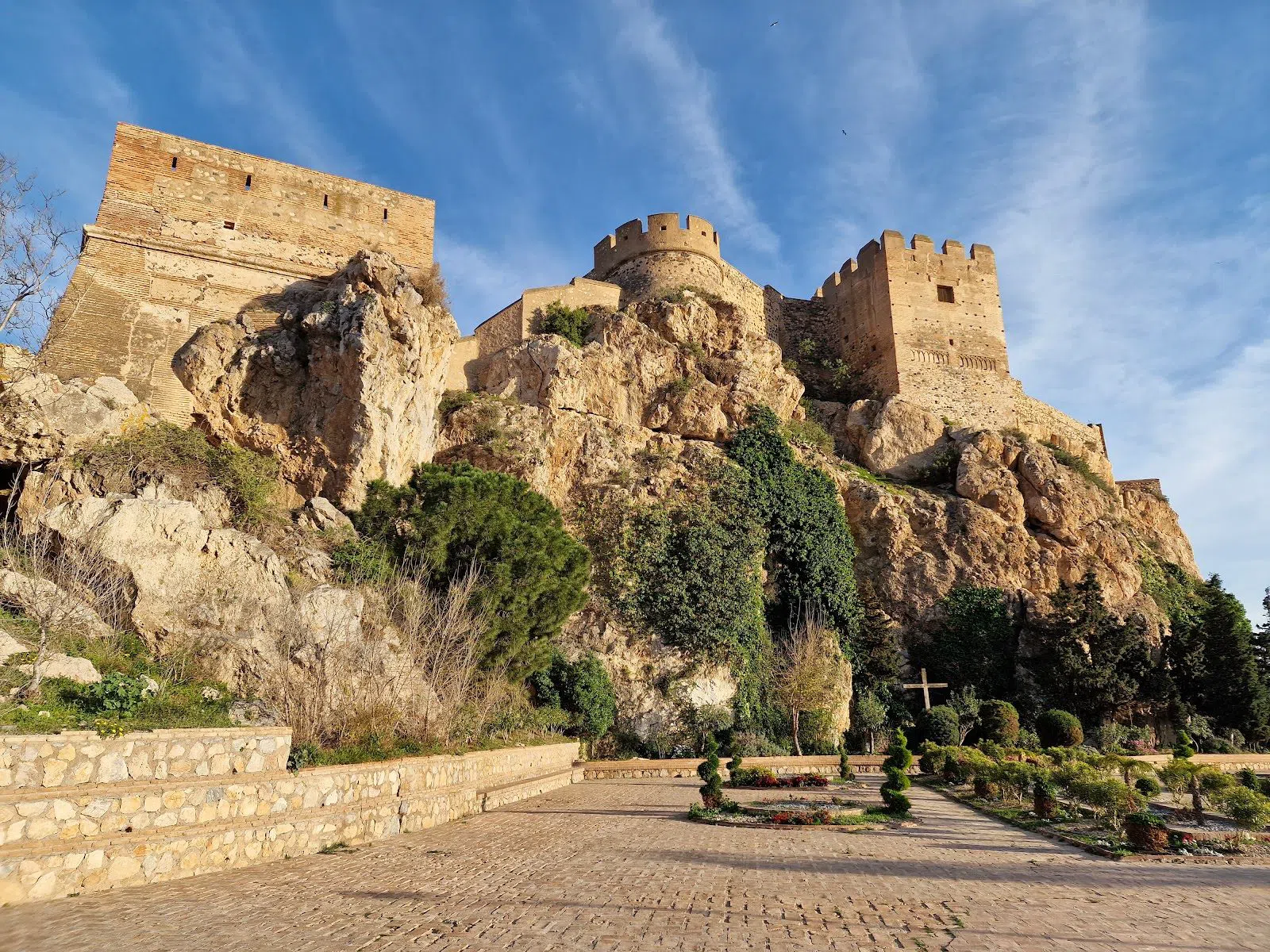
Castillo de Salobreña (Salobreña, on the Costa Tropical) is the cheapest way to put a beach into a three-night trip without hiring anything. The Nasrid fortress sits on a rock above a sugarcane plain with the sea on one side and the Sierra on the other, and there are roughly ten Alsa services a day from Granada taking about an hour. Entry is €4, €2 reduced, under-12s free, and free on Monday afternoons; it opens daily except 24, 25 and 31 December and 1 January. Groups are fine, and in summer the 'Hora Dorada' sunset visit is a booked, limited-capacity guided slot worth the forward planning.
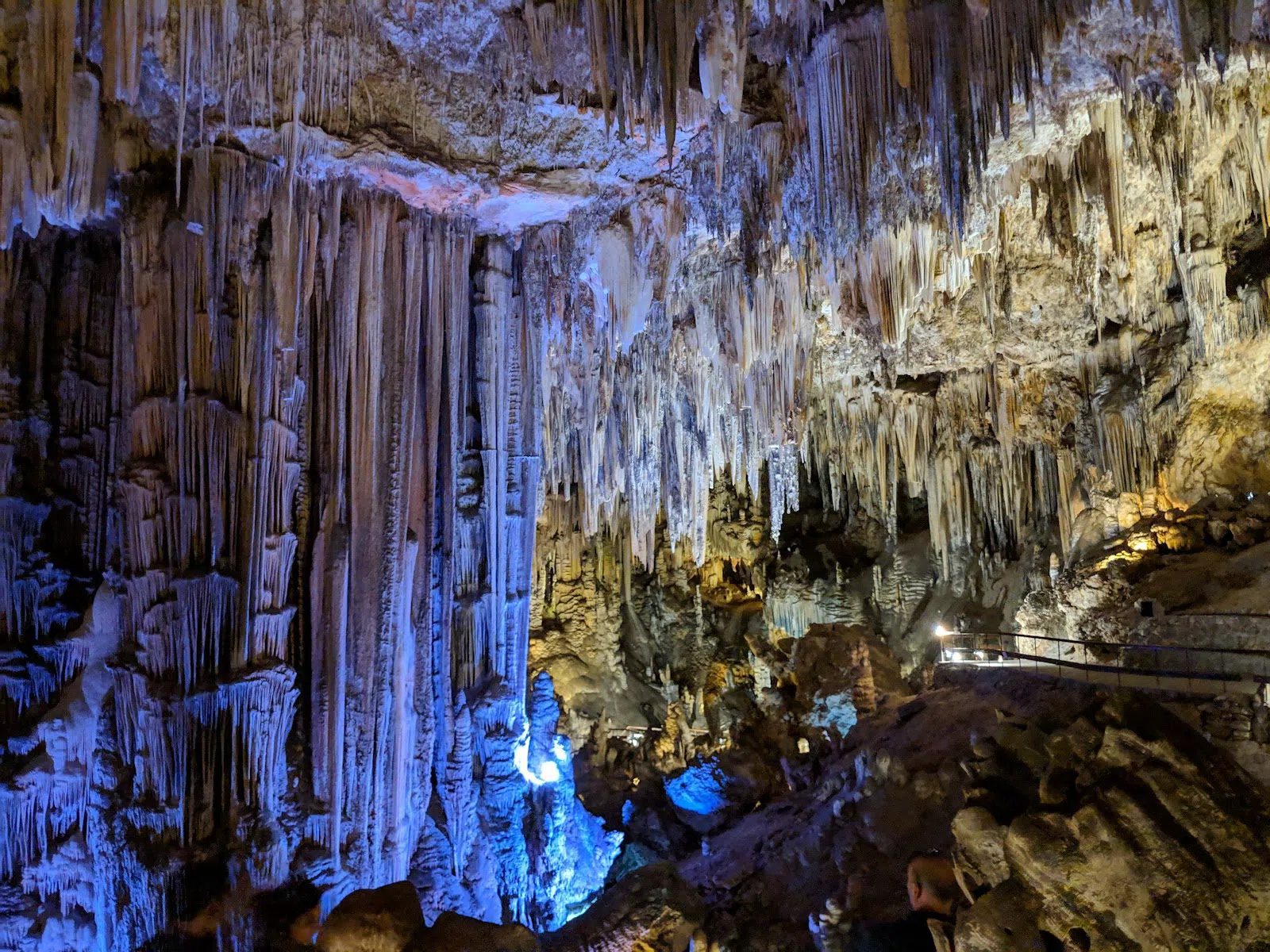
The longer coastal day belongs to Cueva de Nerja (Maro, east of the town) and its surroundings. The cave is an archaeological site as well as a show cave, with vast chambers, Palaeolithic occupation and a column among the largest known anywhere. Tickets are about €13.75 for adults booked online, cheaper than at the gate, and include the VR room and the Nerja Museum. It opens all year, 9:15 to 16:30 with last entry at 15:30, extending to 17:30 in summer and holiday periods, and closes on 1 and 6 January, 15 May and 25 December. It takes groups formally, with dedicated group booking, reduced group rates and school workshops. Book online: the Maro car park fills by mid-morning in season.
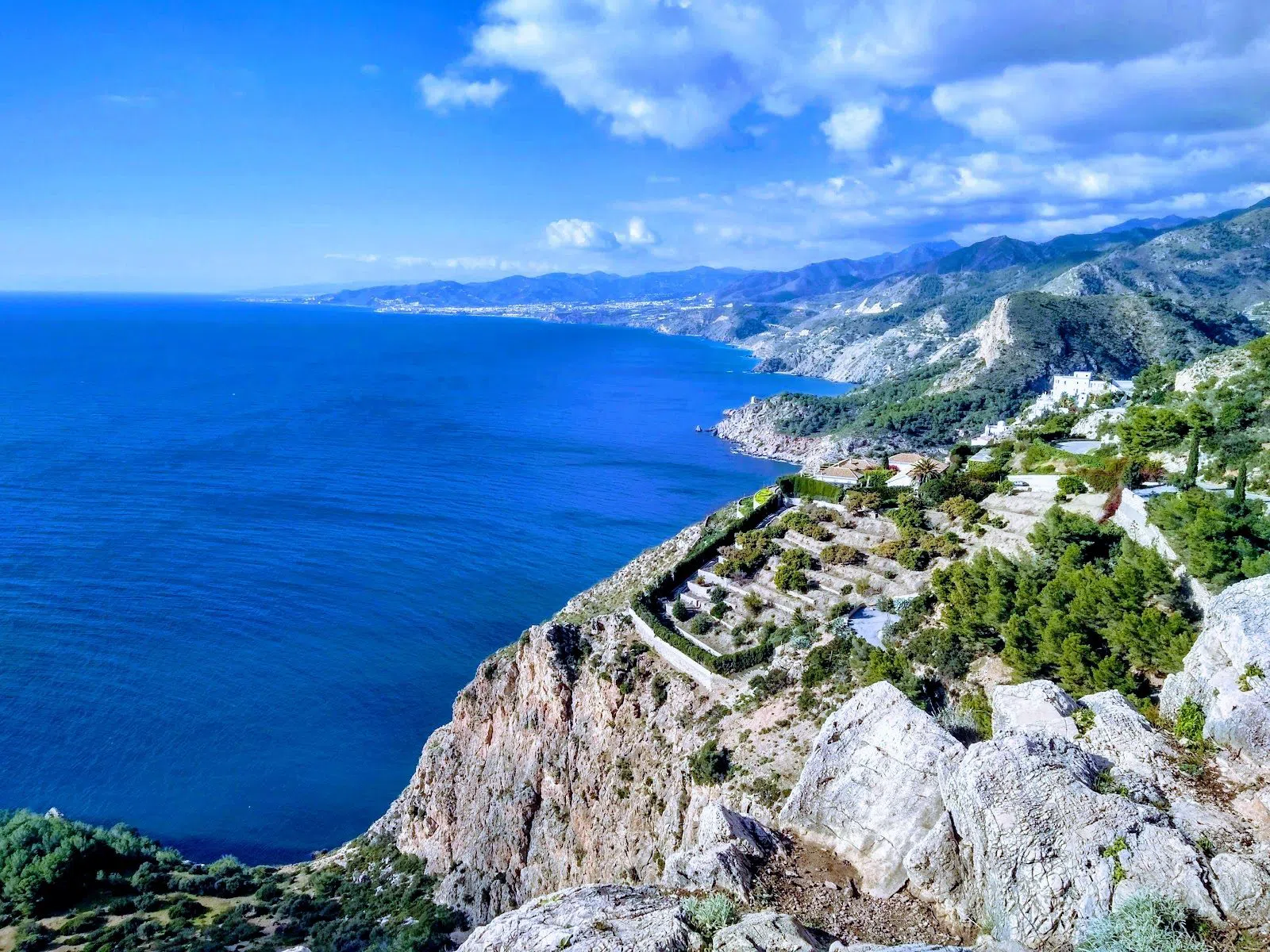
Do not treat the coast around it as a separate expedition. The Balcón de Europa and the Maro-Cerro Gordo cliffs (Nerja seafront and the protected coastline east of it) pair naturally with the cave. The Balcón is a public promenade on a former fortress terrace, open to anyone, and the coves below absorb crowds well. Be realistic about the beaches, though: Playa de Maro is the only easy descent, and the rest of the reserve involves rough scrambles down steep, narrow paths from the N-340. Kayak and paddleboard rental operates on Playa de Maro from April to October.
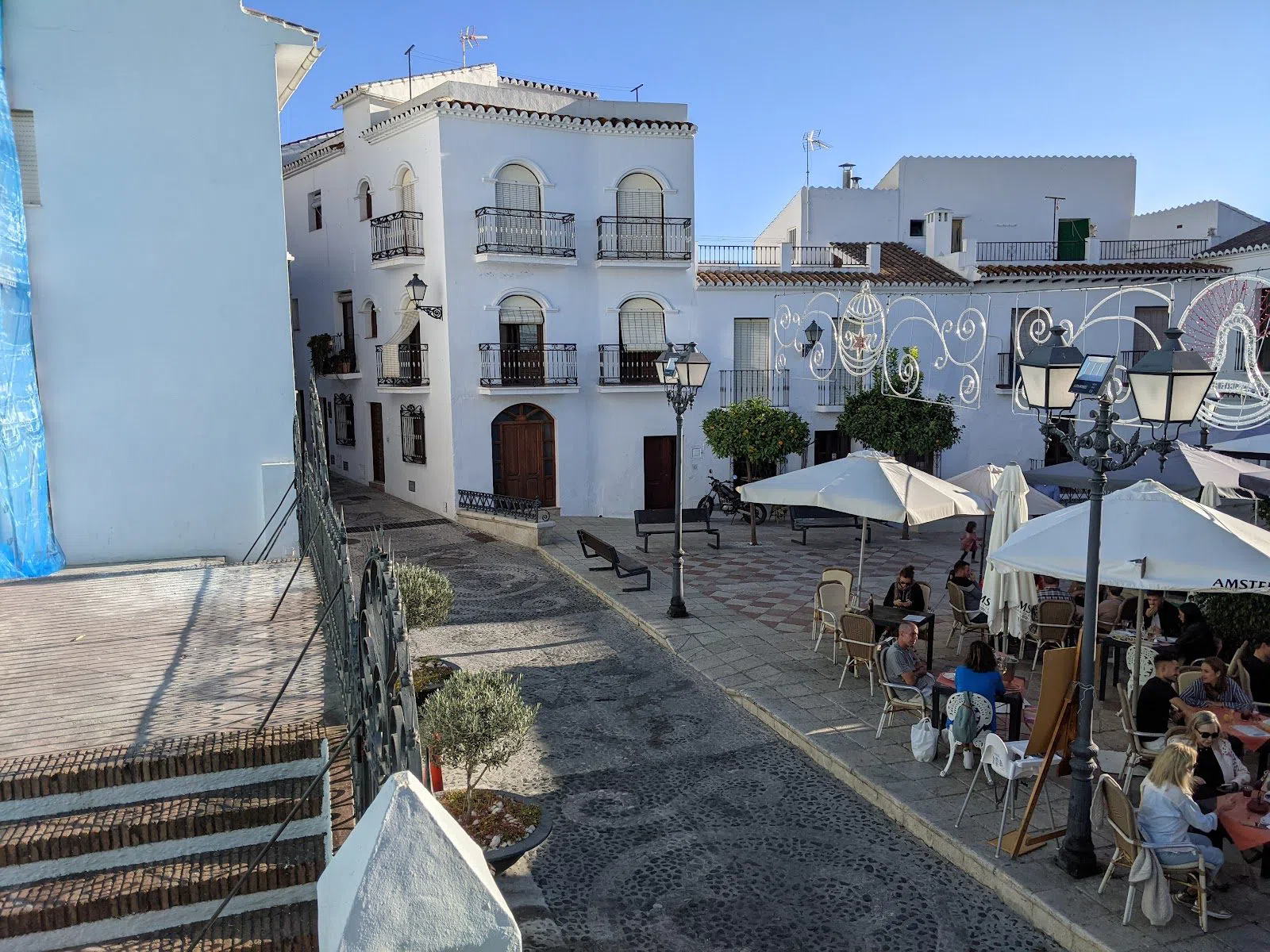
Six kilometres uphill sits Frigiliana (old Moorish quarter, above the coast), whitewashed and stepped and steep, with mosaic panels set into the walls telling the story of the 1569 Morisco rebellion. Walking tours run regularly and cost roughly €15 to €25 per person; the lanes are narrow enough that large groups fragment within minutes, which is arguably an improvement. Correct one expectation before you go: El Ingenio, the sixteenth-century palace, houses Europe's last working cane-honey factory, and it is a factory rather than a museum. Buy the miel de caña in the village shops and do not queue for a tour that does not exist.
One walkway that has to be booked weeks out
The Caminito del Rey (El Chorro gorge, west of Granada by road) is the most heavily managed day on this list and the most spectacular. A metre-wide walkway is pinned to the wall of a limestone gorge a hundred metres above the river, on the bones of a hydroelectric service path from 1905. General admission is €10, an official guided visit €18, the shuttle bus €2.50 and parking €2, which makes it the cheapest thrill in Andalusia if you can get a ticket.
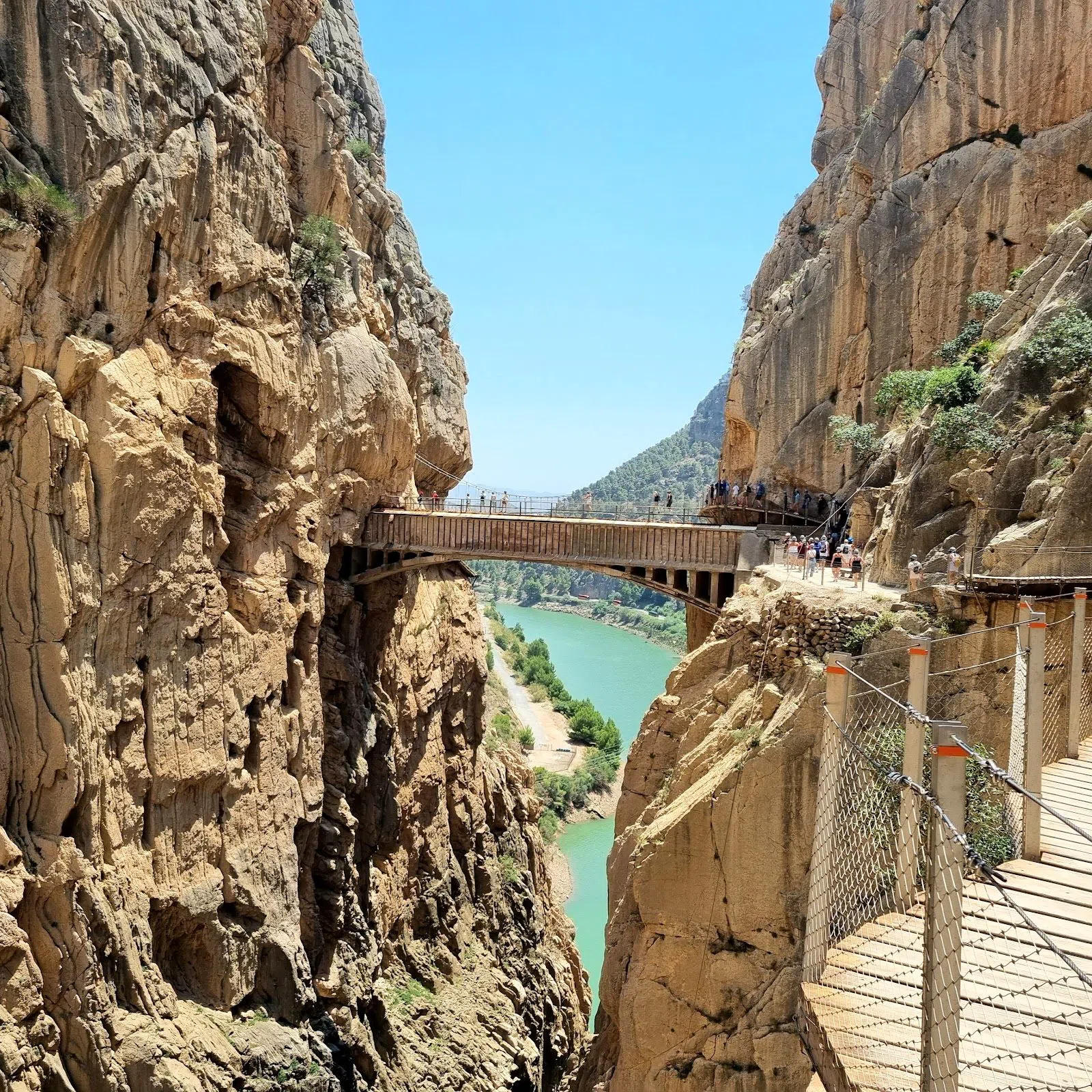
Getting one is the whole difficulty. Most tickets sell within hours of release, so book weeks ahead. Guided visits run to a maximum of 30 people with a certified guide, general tickets are capped at ten per purchase, under-8s cannot enter, and ID is checked at the gate. A new suspension bridge opened on 10 June 2026 and removes nearly a kilometre of the old descent along with nine flights of stairs; the original path stays open for anyone who would rather not cross it, which is a sensible provision and used more often than you might think.
Cave houses, frontier villages and a poet's kitchen
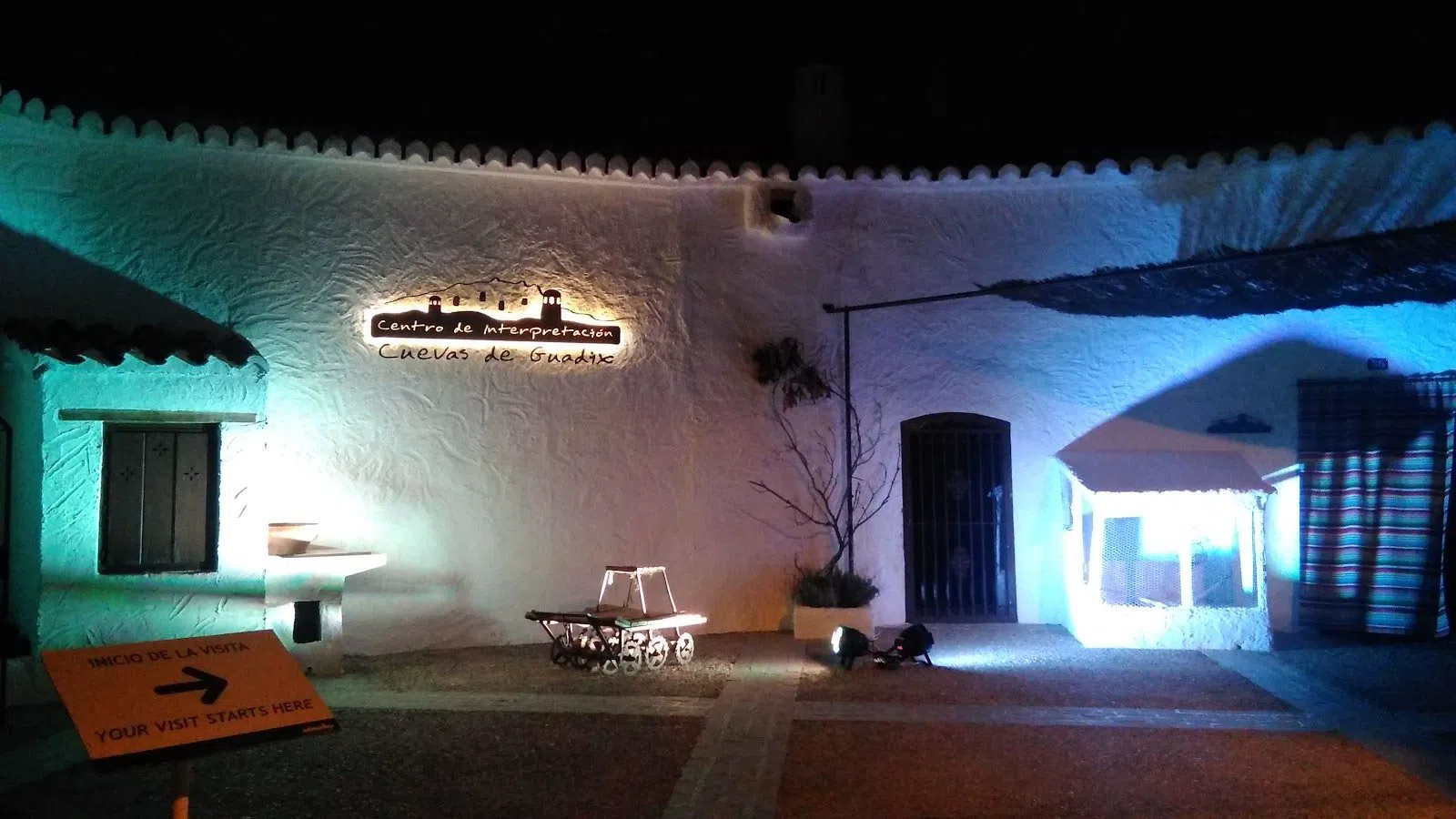
An hour north of Granada by train or bus, the Cueva Museo at the Centro de Interpretación Cuevas de Guadix (cave quarter, Guadix) lets you walk inside an inhabited cave home rather than photograph a chimney from the road. The museum is a set of real dwellings, cool and lime-washed, and parties move through in stages because the rooms are small. It is €5 general, €4 reduced and €3 for groups, open Monday to Saturday 9:30 to 14:00 and 16:30 to 19:30, Sundays 9:30 to 14:30. Remember what the surrounding barrio is: a lived-in residential district, not an attraction. Walk it quietly.
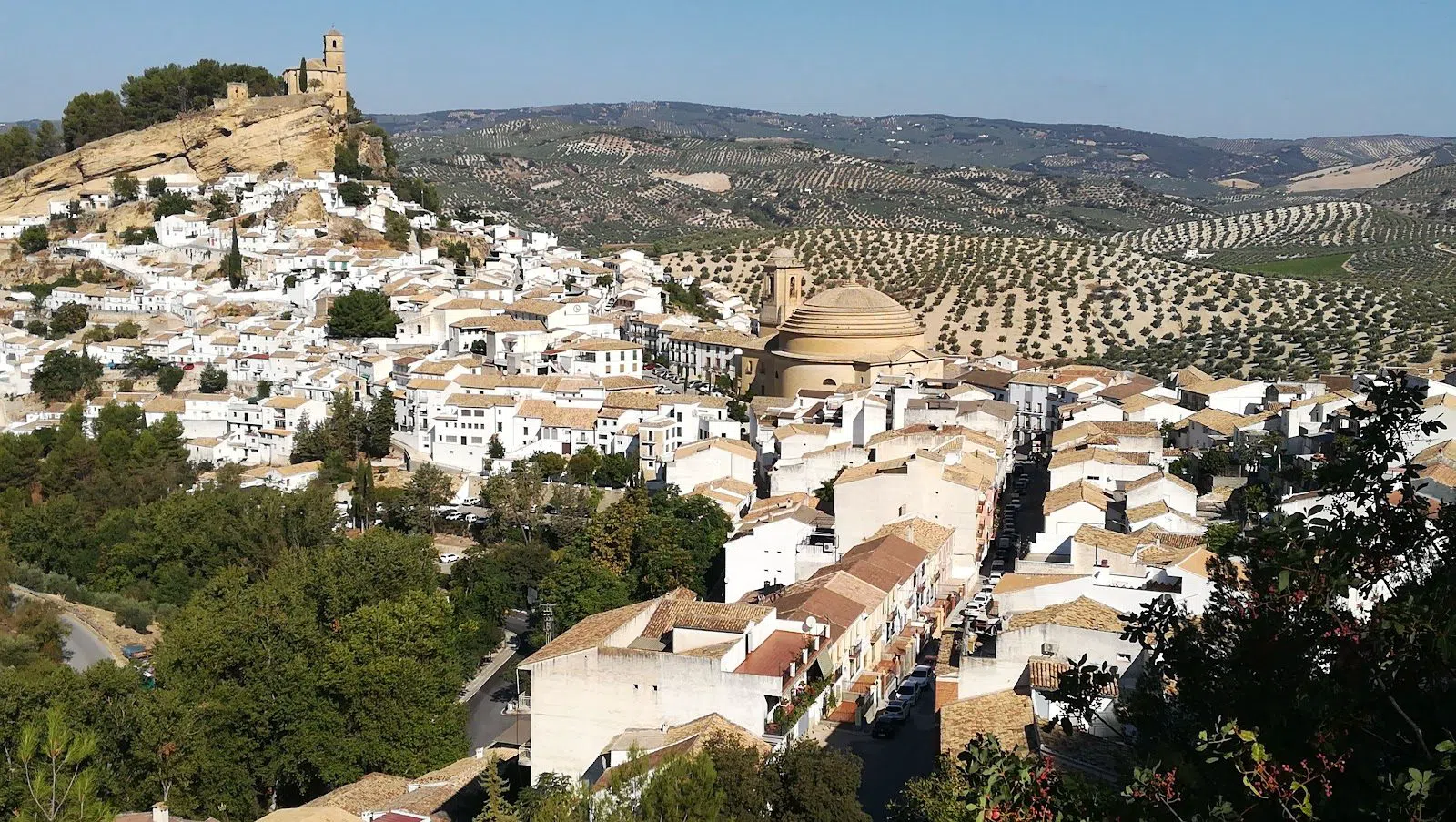
Montefrío (hilltop village, about an hour west by car) is the view. National Geographic put it among the ten best in the world, and the village responded by building a proper mirador to match, free, open at all hours, with a small car park. Inside the sixteenth-century Iglesia de la Villa on the rock, the 'El Centinela' interpretation centre explains the last frontier of Al-Andalus, which is exactly what you are looking at from the terrace. Entry is €2, €1.50 for groups of ten or more, under-12s free. You need a car; there is no honest bus answer here.
Half a day gets you to the Casa Natal de Federico García Lorca (Fuente Vaqueros, in the Vega west of the city), the house the poet was born in, kept as a house rather than a shrine, with the flat irrigated farmland around it that produced the imagery in the poems. Every visit is guided, starts on the hour, and takes a maximum of 25 people; booking is compulsory for groups of ten or more and sensible for everyone else. It is €3, €1.50 reduced, and free on non-holiday Wednesdays. Check the calendar before travelling: it shuts Mondays and holidays year-round, and closed entirely from 2 to 27 September 2026.
The one big-city train that works
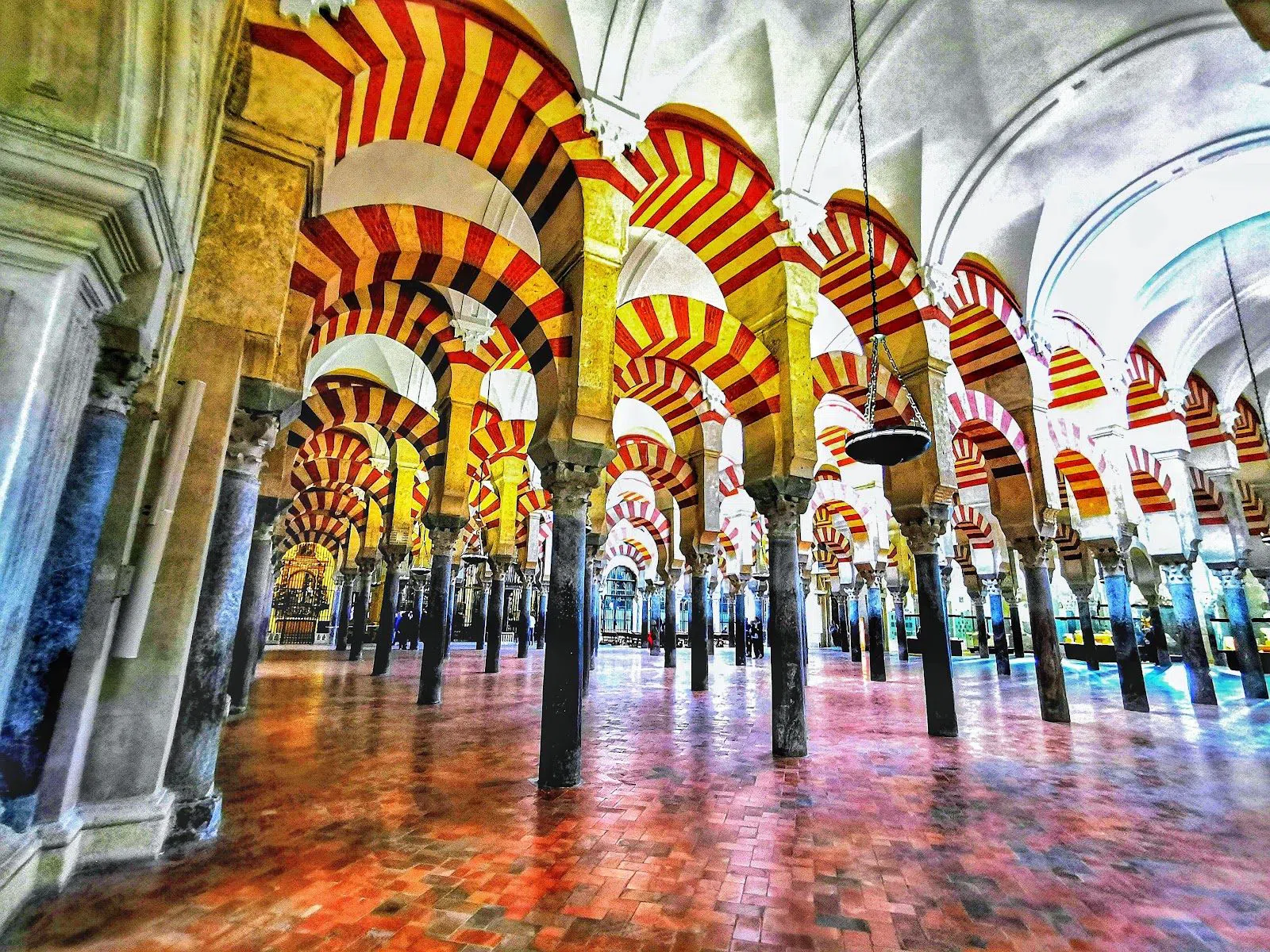
The Mezquita-Catedral de Córdoba (historic centre, about 1 h 25 by direct train) is the only major-monument day trip from Granada that does not eat the day in transit. Six direct trains a day make it feasible, and the building repays the effort: eight hundred columns of jasper and marble under red-and-white double arches, with a Renaissance cathedral inserted through the middle of it in the sixteenth century. Admission is €13 until 31 March 2026 and €15 from 1 April 2026, €8 for ages 10 to 14, under-10s free. The 'El Alma de Córdoba' evening light-and-sound visit is guided, capacity-capped and €25.
Go on the earliest train. The Patio de los Naranjos is free to enter and thick with tour groups by ten, and the interior is a different building at 09:30 than it is at noon.
Practicalities
ALSA runs the regional buses from Granada's bus station, and it is the operator to check for the Alpujarras and the coast: the Salobreña service is frequent, the Pampaneira service is not. Trains cover the Córdoba and Guadix runs. Montefrío and the higher Sierra Nevada road-heads need a car, and so does any attempt to link two villages in one day. Guided minibus tours are often the only way to see two things before dark.
Cards work almost everywhere, but carry €40 to €60 in notes for village bars, the small church entries, the secadero tastings and parking machines. Several of the cheapest tickets on this list are cash-friendly and card-indifferent.
Leave early: 08:00 for the mountains, the first train for Córdoba, before nine for the cave at Maro. Afternoon returns are the constraint on nearly every route out of Granada, so build the day backwards from the last bus. Mountain weather changes fast above 2,000 metres, and the summer lift window at Pradollano is narrow.
A self-driven or bus-based day out costs €10 to €30 in transport and entries. A guided day with transport runs €35 to €45 for the Monachil gorge, €45 to €95 for the Alpujarras and around €99 for the Trevélez ham day. The Caminito del Rey is €10 to €18 plus €2.50 for the shuttle. Two full days out, done sensibly, will land between €60 and €200 per person all in.
Only three things on this list need advance action: the Caminito del Rey (weeks), the Lorca house (a call, and a calendar check), and the Nerja cave (online, same-week, for the price and the car park). Everything else you can decide over breakfast.
Three nights, then: one for the city, and two for the roads out of it. For what to do with the evenings in between, the Granada guide covers the walk home from the Alhambra, which you will make more than once.
Before you go
Is Granada worth three nights, or is two enough?
Two nights covers the Alhambra, the Albaicín and the tapas route comfortably. The third night is what buys you a full day out, whether that is the Alpujarras, the coast at Salobreña or the Córdoba train, without checking out in the dark. Two nights is honest if you only want the city. For the mountains or the sea, you need the third.
Can you reach the Alpujarras from Granada without a car?
Yes, but only just. The ALSA bus to Pampaneira via Órgiva leaves at 09:00 and costs roughly €6.45 to €8 each way, and afternoon returns are limited to one or two services. Check the timetable the night before. Trevélez is a further hour of hairpins beyond the Poqueira villages, so pick one or the other unless you are driving.
If I have only one free day, which trip should it be?
The Barranco de Poqueira (Pampaneira, Bubión and Capileira) is the single best day out from Granada, and walking between the three villages is the point of it. If you would rather not lose a whole day to travel, Los Cahorros de Monachil is twenty minutes away and gives you an 8 km gorge loop for nothing, though one riverside stretch has been closed since rockfalls on 31 August 2026.
How far ahead do I need to book the Caminito del Rey?
Weeks. Most tickets sell within hours of release. General admission is €10 and an official guided visit €18, plus a €2.50 shuttle and €2 parking. Guided groups cap at 30 people and general tickets are limited to ten per purchase. Under-8s cannot enter, and ID is checked at the gate.
Can I take the Sierra Nevada cable car outside the ski season?
Usually not. The Telecabina Borreguiles at Pradollano runs in winter, when a day ski pass is around €50, and in 2026 it had a summer window of only 11 July to 23 August, at roughly €20. Outside those periods you drive to Hoya de la Mora and walk from the road-head instead. Check the resort site for current dates before committing a morning.